How to Build a Practical Lone Worker Safety Program in Canada
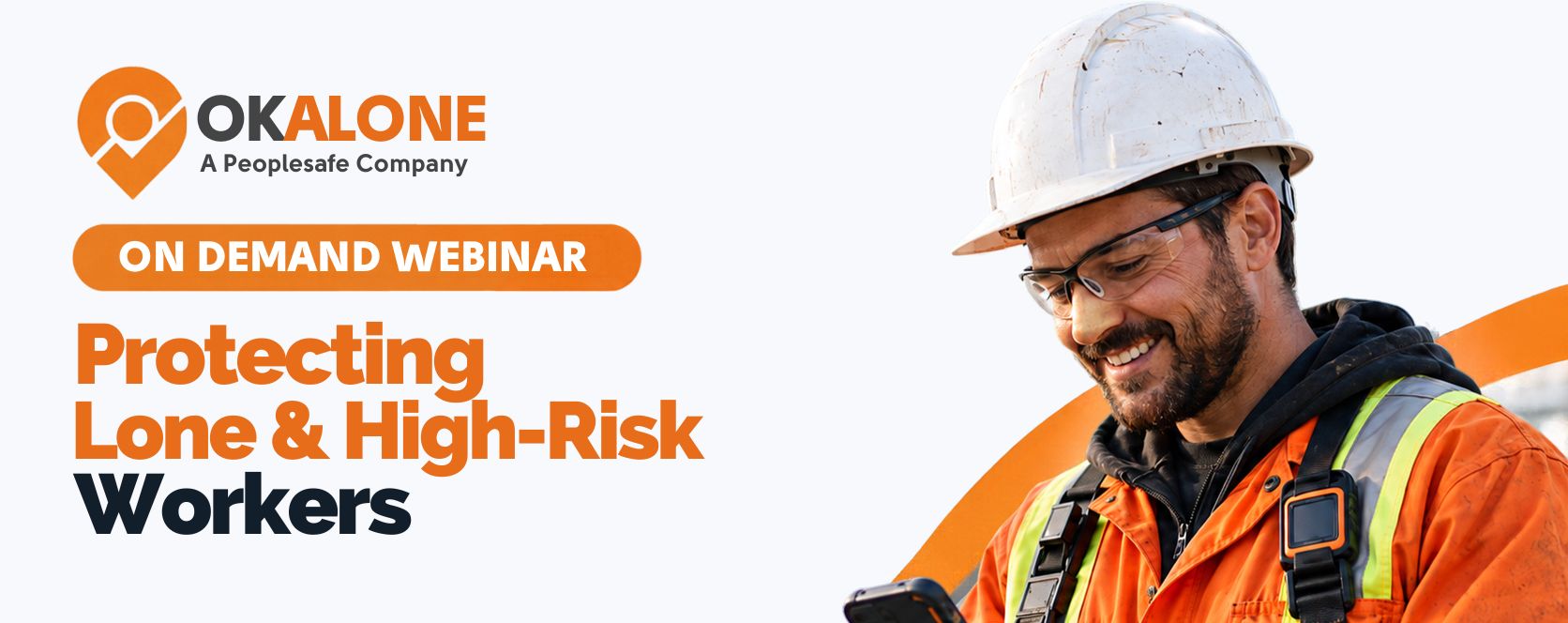
Lone workers can be found across healthcare, utilities, construction, transportation, forestry and many other industries.
They do not always work in obviously remote locations. A person can be working alone whenever they are out of sight or hearing of another worker and cannot receive immediate support if something goes wrong.
That makes lone worker safety a practical risk-management issue, not simply a job title.
Start by identifying where the risk sits
A strong safety program begins by understanding who works alone and what could happen while they do it.
The risk may come from the person, the environment or the task.
A healthcare employee may enter an unfamiliar home. A utility worker may operate in an isolated area with poor cellular coverage. A driver may spend hours on a route without direct supervision.
Each situation needs a proportionate response.
A useful assessment should consider the work being done, the environment, the distance from help and what happens if the worker cannot raise an alarm themselves.
Canadian requirements vary by jurisdiction
Lone worker requirements are not identical across every Canadian province and territory.
Organizations need to understand the rules that apply where their employees work.
However, the practical expectations are often similar. Employers need to identify hazards, maintain reliable communication, establish emergency procedures and make sure employees understand the process.
Build a response process, not just a check-in schedule
Check-ins can provide a useful safety rhythm, but they are only one part of the system.
Organizations also need to decide what happens after a missed check-in.
Who receives the alert? How quickly should they respond? What happens if the first person is unavailable? When should emergency services become involved?
Those decisions should be made before an incident happens.
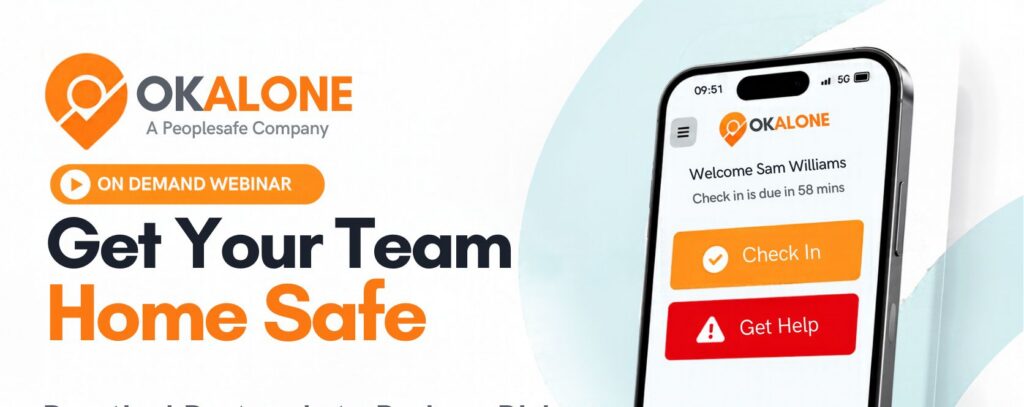
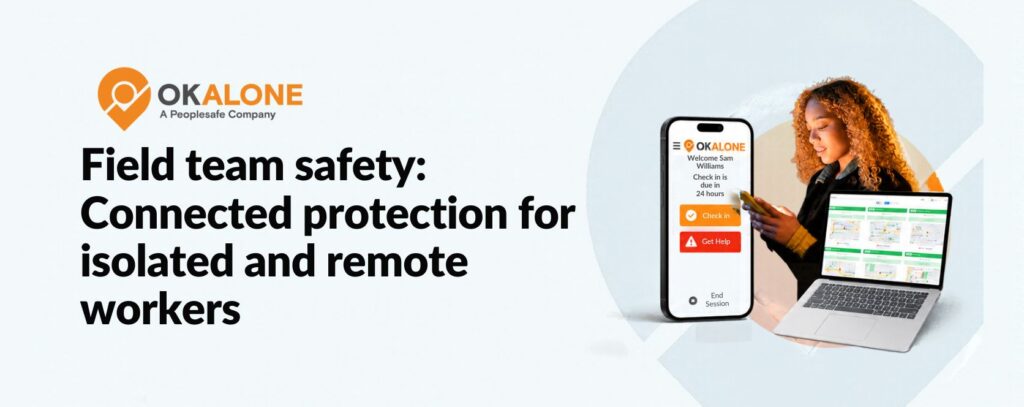
Technology can then automate check-ins, capture location information and support faster escalation.
Make adoption part of the plan
Workers should understand why the system exists, how to use it and what happens when they ask for help.
Privacy also needs clear communication. Employees should know when location information is collected and who can access it.
When the process feels proportionate to the risk and easy to use, adoption becomes much easier.
The Workforce Safety in Canada webinar explores these areas in more detail and gives organizations a practical framework for improving lone worker protection.


Stacey Manclark
As an expert in lone worker content management, I possess an extensive knowledge base and experience in the area of lone working and safety monitoring. My expertise in this field encompasses a wide range of areas, including risk assessment, training, communication, and technology. I have a deep understanding of the unique risks associated with lone workers and have researched and written many projects and articles to educate people in how to mitigate these risks.
Throughout my time with OK Alone, I have kept up to date with technological developments, legislative changes and regulations that have been introduced to help organizations ensure the safety of their lone workers.
Book a Demo Today
Alternatively, get a free trial of the app
Want to try OK Alone? Click the button below and enter your details. It's free and no credit card is required.
