What Effective Lone Worker Safety Looks Like in Canada in 2026
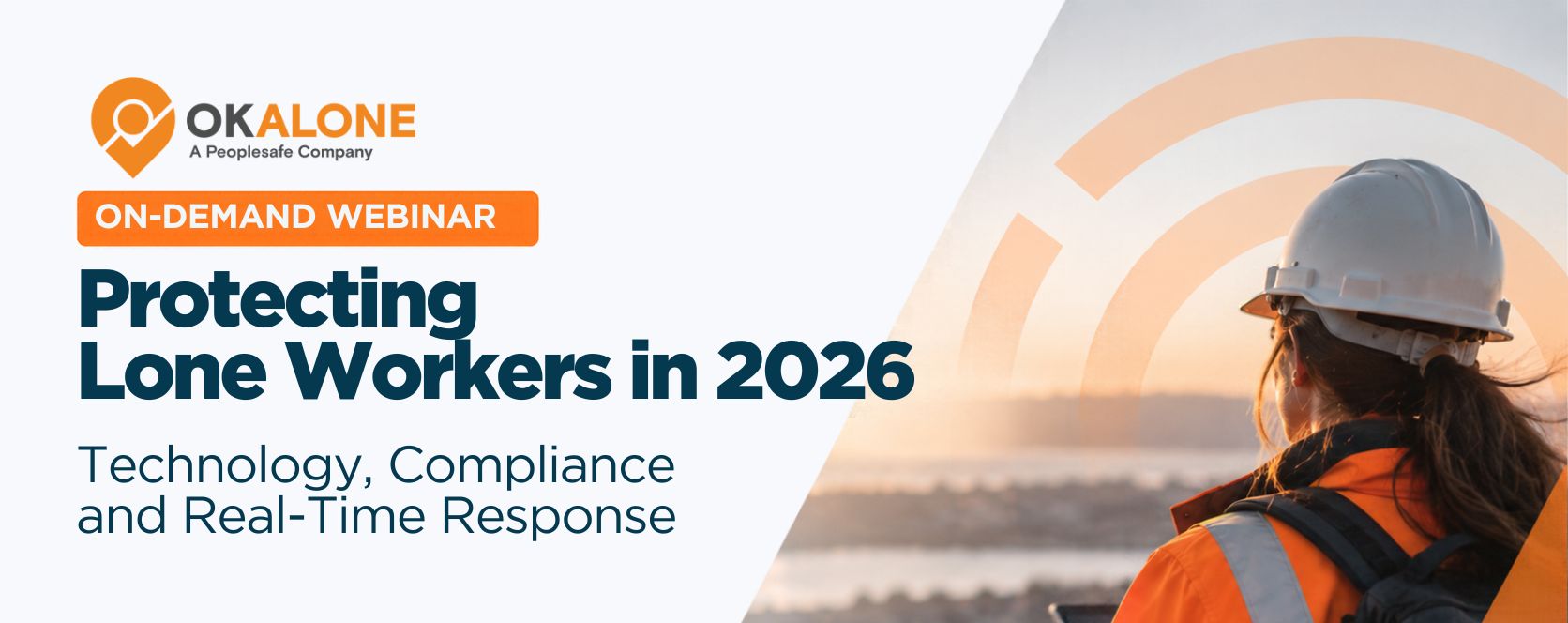
Lone working is not new, but the way people work has changed. Teams are more mobile, more dispersed and more likely to operate beyond direct supervision.
That creates a simple challenge for employers. If something goes wrong, how quickly will anyone know?
A written policy can explain what should happen. A reliable safety system makes sure it actually happens.
Why a lone worker policy is no longer enough
Many organizations already have a lone working policy. The problem appears when the process behind that policy relies on memory, manual calls or one person being available at exactly the right time.
A missed check-in should not sit unnoticed because a supervisor is in a meeting or has finished for the day.
Effective lone worker safety needs a clear response chain. Someone must know when a worker misses a check-in, who receives the alert and what happens next.
For Canadian employers, that also means understanding the requirements that apply in the provinces and territories where people work.
What makes a lone worker program reliable?
The webinar explores six practical areas that strengthen lone worker protection.
The first is dependable check-ins, location information and a clear way to request help. Monitoring should also match the level of risk rather than treating every role in exactly the same way.
Training matters too. Workers need to know how to use the system, what happens after they raise an alert and why the process exists.
Privacy should be explained just as clearly. Employees should understand when location information is collected, who can access it and how that information supports their safety.
Organizations also need to test the complete response process. That includes checking whether alerts reach the correct person, whether escalation works outside normal hours and what happens when cellular coverage is poor.
Finally, someone must own the response. A safety process cannot depend on everyone assuming somebody else has seen an alert.
Technology should support the process
Technology can automate check-ins, provide real-time location information and detect incidents when a worker cannot ask for help.
It can also support fall detection, discreet alerts, satellite connectivity and faster escalation.
However, technology cannot fix an unclear response process. The strongest programs combine practical procedures, worker training, clear ownership and tools that reduce manual work.
Ask one question: If a lone worker stopped responding right now, how long would it take before someone noticed, and who would take action?
The on-demand webinar Protecting Lone Workers in 2026: Technology, Compliance and Real-Time Response explores how Canadian organizations can build systems that answer that question with confidence.




Stacey Manclark
As an expert in lone worker content management, I possess an extensive knowledge base and experience in the area of lone working and safety monitoring. My expertise in this field encompasses a wide range of areas, including risk assessment, training, communication, and technology. I have a deep understanding of the unique risks associated with lone workers and have researched and written many projects and articles to educate people in how to mitigate these risks.
Throughout my time with OK Alone, I have kept up to date with technological developments, legislative changes and regulations that have been introduced to help organizations ensure the safety of their lone workers.
Book a Demo Today
Alternatively, get a free trial of the app
Want to try OK Alone? Click the button below and enter your details. It's free and no credit card is required.
