How to Improve Field Team Safety for Isolated and Remote Workers
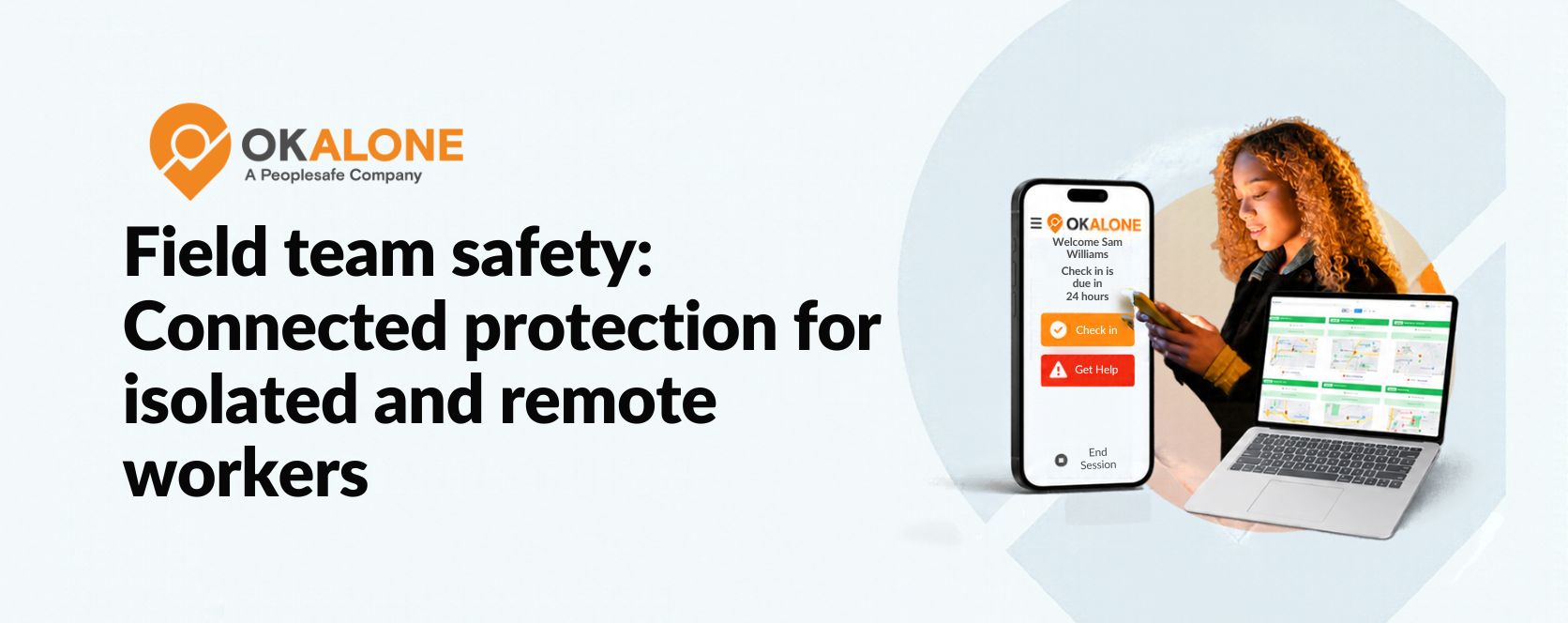
For utility and field teams, risk does not always come from the task itself. Distance, isolation, poor signal and changing environments can all make an incident harder to manage.
The biggest problem is often delay. A worker may be injured or become unwell, but nobody nearby knows that anything has happened.
That gap between an incident and a response is where field team safety processes are tested.
Why traditional safety processes can fall short
Manual check-ins work only when the worker can check in.
A missed call or message may be caused by something routine. It may also be the first sign that something has gone wrong.
Either way, a manual process still depends on someone noticing the missed check-in and taking action.
The challenge becomes greater in areas with weak cellular coverage or when a worker cannot safely reach a phone or radio.
Field workers may move between substations, roadside jobs, customer premises and remote locations in one shift. Each environment creates different risks, while immediate support may still be far away.
What does a more reliable approach look like?
A stronger field safety process combines regular check-ins with clear escalation and better workforce visibility.
Scheduled check-ins can confirm that a worker is safe at agreed intervals. If a check-in is missed, an automated process can make sure the right person is notified rather than waiting for someone to notice.
Location information can also reduce delays when support needs to reach a worker.
The aim is not to monitor employees constantly. It is to give supervisors the information they need when a worker’s status changes or an alert is raised.
Design the process around real field conditions
Remote work can create gaps that are easy to miss during a desk-based risk assessment.
Signal may drop in one particular location. A worker may move between areas with very different emergency response times. A supervisor may be unavailable during a shift handover.
Those details matter because the process needs to work where the work actually happens.
The webinar also includes insight from Central Hudson Gas & Electric, whose team manages a large and dispersed field workforce.
Their experience shows how better visibility, clearer escalation and a more structured approach can support employee safety without adding unnecessary manual administration.
The on-demand Field Team Safety webinar explores the risks facing isolated and remote workers and the practical steps organizations can take to strengthen protection.
Stacey Manclark
As an expert in lone worker content management, I possess an extensive knowledge base and experience in the area of lone working and safety monitoring. My expertise in this field encompasses a wide range of areas, including risk assessment, training, communication, and technology. I have a deep understanding of the unique risks associated with lone workers and have researched and written many projects and articles to educate people in how to mitigate these risks.
Throughout my time with OK Alone, I have kept up to date with technological developments, legislative changes and regulations that have been introduced to help organizations ensure the safety of their lone workers.
Book a Demo Today
Alternatively, get a free trial of the app
Want to try OK Alone? Click the button below and enter your details. It's free and no credit card is required.
