Field Team Safety: How to Protect Isolated and Remote Workers

For utility field teams, risk does not always come from the task itself. It can also come from distance, isolation, poor signal, and changing environments.
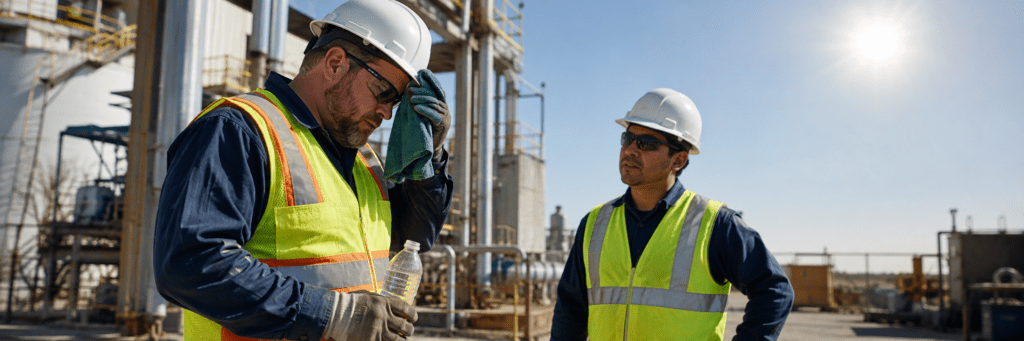
Most importantly, delays can increase the time between an incident and a response. The webinar opens with a field technician who suffers a medical event. He remains undiscovered for nearly two hours.
Why traditional safety processes can fall short
Manual check-ins can work well until a worker is unable to check in. A missed call or message may be caused by something routine, or it may be the first indication that something has gone wrong. Either way, the process still relies on someone noticing the absence and acting on it.
That becomes even more difficult in low-signal environments or when a worker cannot safely reach a phone or radio. The result can be a dangerous gap between the incident itself and the response that follows.
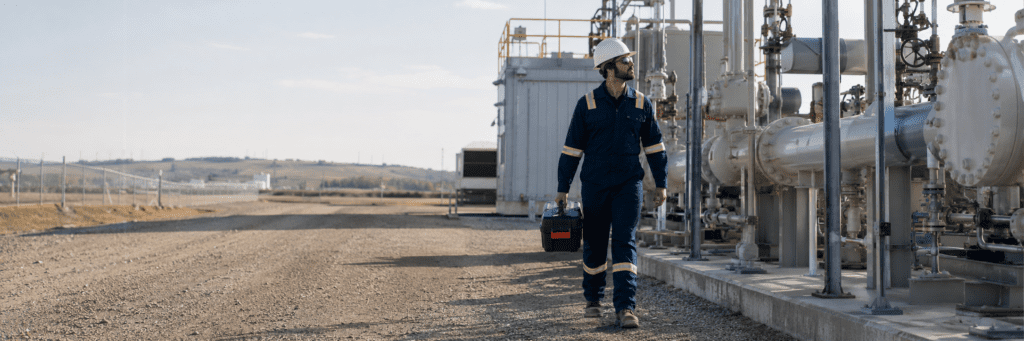
Field workers may move between substations, roadside jobs, customer premises, and remote locations in one shift. Each environment creates different risks. Yet workers may still have no immediate supervision or nearby support.
Why traditional safety processes can fall short
Manual check-ins work only when the worker can check in.
A missed call or message might be routine. However, it could also be the first sign that something is wrong. The process still depends on someone noticing the missed check-in and taking action.
In low-signal areas, that problem becomes harder. A worker may also be unable to reach a phone or radio. As a result, the gap between an incident and a response can grow quickly.
What does a more reliable approach look like?
The webinar explores a more structured approach to field team safety.
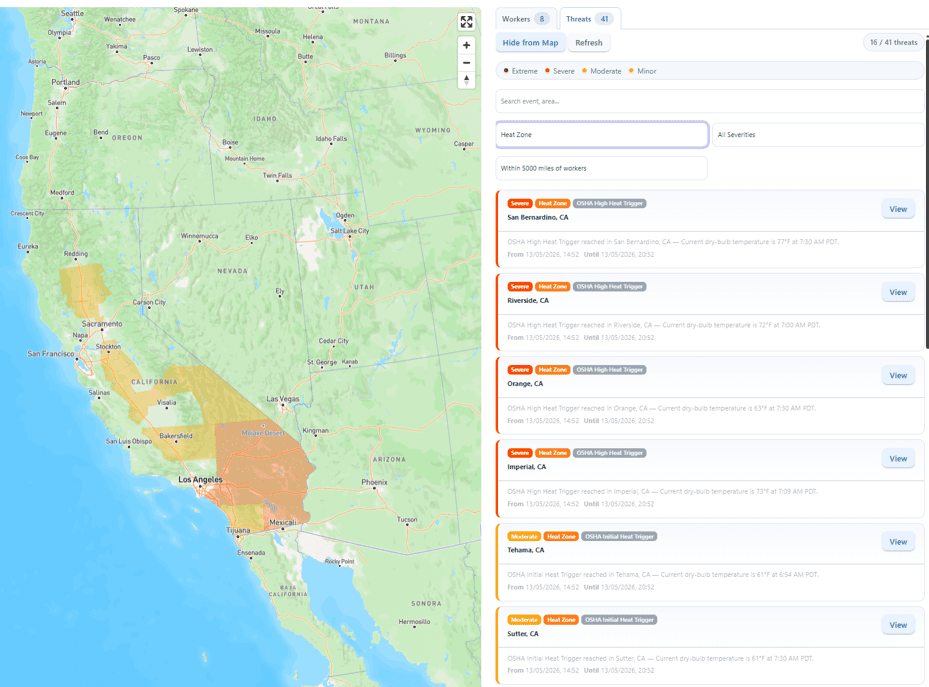
It combines scheduled check-ins, clear escalation paths, and real-time workforce visibility. Together, these steps can improve consistency without adding more manual admin for supervisors.
You will also hear from Central Hudson Gas & Electric. Its team manages a large, dispersed field workforce. In the session, they explain how better visibility and escalation improved employee safety and response.

Stacey Manclark
As an expert in lone worker content management, I possess an extensive knowledge base and experience in the area of lone working and safety monitoring. My expertise in this field encompasses a wide range of areas, including risk assessment, training, communication, and technology. I have a deep understanding of the unique risks associated with lone workers and have researched and written many projects and articles to educate people in how to mitigate these risks.
Throughout my time with OK Alone, I have kept up to date with technological developments, legislative changes and regulations that have been introduced to help organizations ensure the safety of their lone workers.
Book a Demo Today
Alternatively, get a free trial of the app
Want to try OK Alone? Click the button below and enter your details. It's free and no credit card is required.
