How Proactive Safety Can Reduce Burnout and Improve Retention in Corrections
Correctional agencies face sustained pressure from staffing shortages, high workloads, overtime demands and challenging working environments.
For officers and other frontline employees, those pressures can affect far more than day-to-day operations. They can contribute to fatigue, burnout, declining morale and ultimately workforce retention.
Improving safety cannot solve every staffing challenge. However, a stronger safety culture can help employees feel more supported, more connected and more confident that leadership understands the realities of their work.
Why safety and retention are connected
Employees are more likely to remain in an organization when they believe their wellbeing matters.
In correctional environments, that means looking beyond policies and procedures. Leaders need to understand the pressures staff face during normal operations and how those pressures affect both safety and morale.
Staffing shortages can increase workloads. Overtime can contribute to fatigue. Challenging interactions and high-risk situations can place further pressure on employees.
When those issues continue without visible support, trust can erode.
Proactive safety gives leaders another way to demonstrate that employee wellbeing is part of everyday operations rather than something discussed only after an incident.
Building trust through visible leadership
Trust starts with understanding what frontline employees actually experience.
Corrections leaders cannot build that understanding from reports alone.
Visible leadership means spending time in the environments where staff work, listening to concerns and understanding the operational decisions employees make every day.
It also means communicating clearly when changes affect safety.
When employees see that leadership understands their working conditions and shares responsibility for improving them, safety becomes part of a wider culture of support.
Better visibility can reveal where support is needed
Workforce visibility is not simply about knowing where employees are.
Operational information can help leaders identify patterns that may otherwise remain hidden.
Missed check-ins, slow response times, communication gaps and areas where employees regularly work alone can all highlight where additional support may be needed.
These insights can also support wider conversations around staffing, working practices and safety planning.
The goal is not to create more monitoring for employees. It is to help leadership understand where pressure exists and respond before a gap becomes a serious problem.
Stronger communication helps people feel connected
Correctional environments can be demanding, and employees may work in situations where immediate support is not always obvious.
Clear communication can help reduce that sense of isolation.
Workers need reliable ways to request help. Leaders also need confidence that an alert will reach the right person and trigger an appropriate response.
That becomes particularly important in high-risk situations or when employees work alone in areas where assistance may not be immediately available.
A strong safety process should make it easier to communicate, escalate concerns and coordinate support when it matters most.
Proactive safety is also a workforce strategy
Safety, trust, burnout and retention are closely connected.
When employees feel that their concerns are heard and that leadership has put practical support in place, it can strengthen confidence in the organization.
That does not mean technology alone will solve burnout or retention.
The strongest approach combines leadership visibility, clear communication, practical safety processes and a culture where employees know support is available.
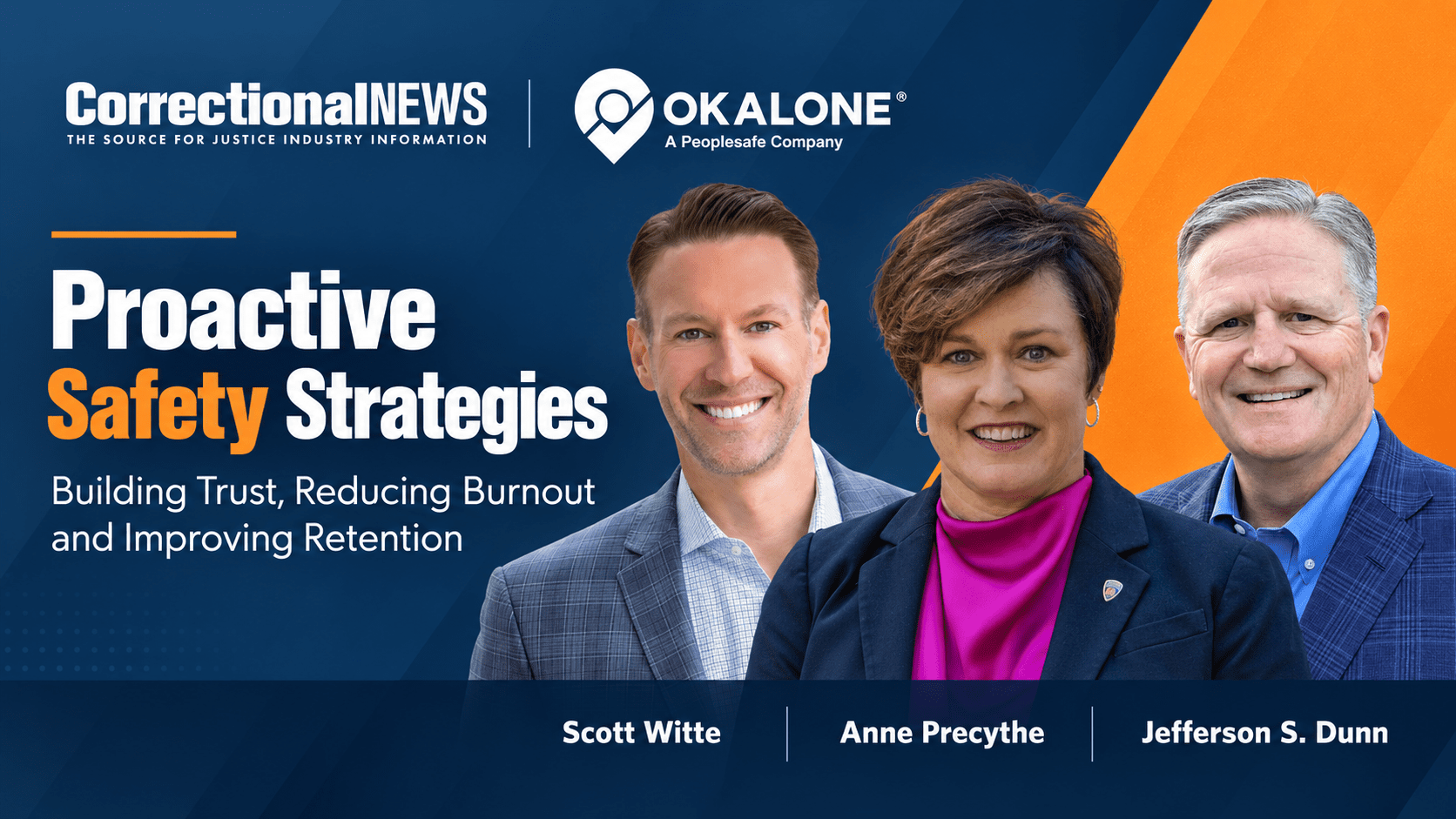
The on-demand webinar Proactive Safety Strategies: Building Trust, Reducing Burnout and Improving Retention brings together corrections leaders and OK Alone to explore how agencies can strengthen workforce safety while supporting trust, morale and long-term retention.




Stacey Manclark
As an expert in lone worker content management, I possess an extensive knowledge base and experience in the area of lone working and safety monitoring. My expertise in this field encompasses a wide range of areas, including risk assessment, training, communication, and technology. I have a deep understanding of the unique risks associated with lone workers and have researched and written many projects and articles to educate people in how to mitigate these risks.
Throughout my time with OK Alone, I have kept up to date with technological developments, legislative changes and regulations that have been introduced to help organizations ensure the safety of their lone workers.
Book a Demo Today
Alternatively, get a free trial of the app
Want to try OK Alone? Click the button below and enter your details. It's free and no credit card is required.
