Working Alone Safety Tips: The Ultimate Guide to Solving Common Hazards
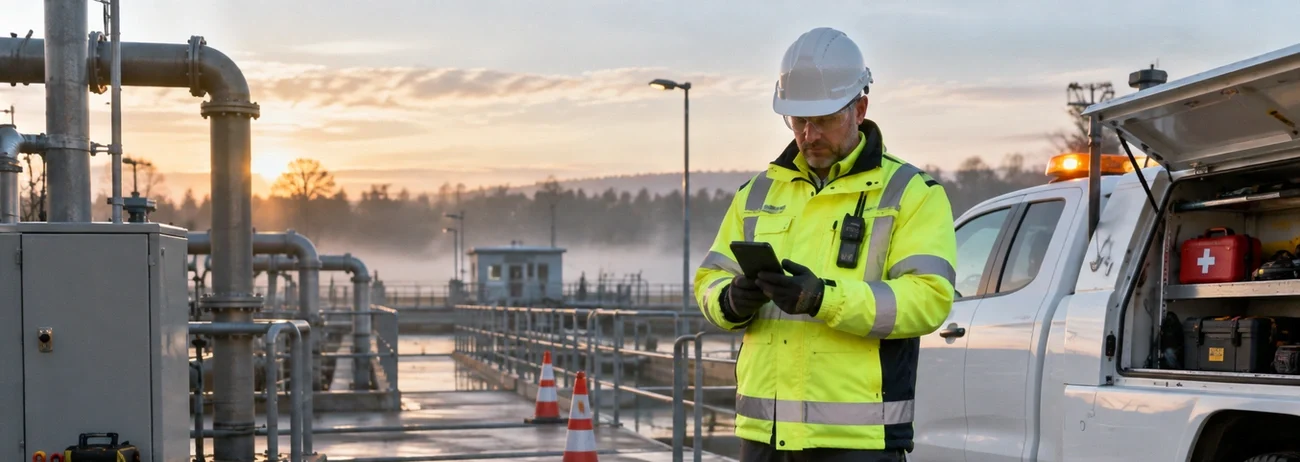
Key Takeaways
These steps help employers and lone workers prevent incidents and get help quickly when it matters most.
- Identify every lone-working role. Assess task, location, timing, communication coverage, emergency response time, and whether solo work is safe.
- Eliminate solo work where possible. Otherwise, apply task-specific controls for falls, heat and cold, electrical hazards, confined spaces, driving, and violence.
- Write procedures with assigned contacts, risk-based check-ins, and missed-contact escalation steps. Include emergency numbers, site access details, and responder routes.
- Equip workers with reliable communication and alert tools. Verify battery charge, signal coverage, and each worker's ability to use them under pressure.
- Train workers to recognize their limits, stop unsafe work, and seek help early. Review all controls after changes, incidents, or near misses.
Working alone safety tips matter most when a routine task turns into an emergency and nobody is close enough to notice. That is the real risk. Isolation delays help after a fall, a vehicle incident, a medical event, or an act of violence. The gap between something going wrong and someone responding can determine the outcome.
Understanding what lone working means is essential for protecting lone workers effectively. A lone worker is someone who works apart from colleagues or supervisors, where immediate help may not be available. The risk to lone workers rises with every minute that help is delayed. This includes after-hours cleaning, solo driving between appointments, home visits, work in isolated rooms, and remote work from home. A lone working risk assessment should identify the hazards in each role. It should also estimate how quickly help could realistically arrive and what support each worker needs before they set out. Effective lone worker safety depends on clear written procedures and regular check-ins matched to the level of risk. It also depends on practical safety solutions that workers can use when something goes wrong.
Understand Lone Working and Assess the Risks
Define the Scope of Lone Working
Lone working covers more ground than many organizations recognize. Employees working alone include after-hours cleaning staff, mobile workers such as delivery drivers traveling between appointments, and home healthcare workers making home visits. They also include social workers conducting field assessments, security guards on patrol, and real estate agents showing properties. Construction workers at remote sites, utility workers servicing infrastructure, agricultural and forestry workers in isolated areas, and maintenance staff in plant rooms all qualify too. So do remote workers, including those working from home, and anyone working outside normal hours. A person working alone can even be in a shared building. If no colleague can quickly see, hear, or reach them in an emergency, they are still alone. Defining the scope accurately is the starting point. A hazard you have not identified is a hazard you have not controlled.
Run a Working Alone Risk Assessment
A working alone risk assessment should examine task, location, timing, worker experience, medical fitness, communication options, and what a foreseeable emergency would look like. Reviewing incident and near-miss records, vehicle exposure, site access conditions, and input from the workers themselves often surfaces gaps that a standard site inspection would miss. Workers know where the procedure breaks down in practice. That knowledge belongs in the assessment. A dynamic risk assessment also lets workers evaluate changing conditions in real time. Lone worker risk changes with the task, the site, and the time of day.
For each identified hazard, record:
- What can cause harm, including hazardous substances, machinery, manual handling, falls, extreme temperatures including heat stress and cold stress, road travel, sudden illness, violence, or environmental hazards;
- How likely an event is, how severe the outcome could be, and how quickly help could realistically arrive; and
- Whether one person can carry out the work safely, or whether the task requires a second person to attend.
Apply the Hierarchy of Controls
The first question is whether solo work can be removed altogether. If it cannot, the next step is adjusting timing or the working arrangement. After that, add lone worker monitoring, such as location monitoring, Man Down alerts, or Fall Detection. Then establish administrative procedures. Personal protective equipment (PPE) addresses task exposure, but it cannot solve the core problem of delayed rescue. A worker wearing the right PPE who falls unconscious and misses a check-in still needs someone to notice and respond.
Keep the Assessment Current
Share the risk assessment with the workers it covers. Do not file it and forget it. A new task, changed location, different equipment, an incident, or a near miss should all trigger a review. In the US, the Occupational Safety and Health Administration (OSHA) has no specific lone worker standard. Its general duty clause still requires employers to protect workers from recognized hazards. The findings determine which lone worker safety solutions suit each role. That leads to the specific hazard controls in the next section.

Working Alone Safety Tips for Common Hazards
Every lone worker role carries its own combination of hazards. The controls need to match the work, not just satisfy a checklist. These working alone safety tips cover the hazard types that appear most often. They focus on steps that reduce harm when no one else is nearby to notice a problem developing. A task hazard analysis for each role shows which of these apply.
Slips, Trips, and Falls
A fall is more serious when nobody is nearby to help. Workers should keep walkways clear, address spills immediately, secure loose mats, and cover cables. Lighting should be adequate for the task. Footwear matters more than it often gets credit for, particularly on wet or uneven surfaces. Fall Detection can help get an alert out when a worker cannot call for help.
Cold Environments
Cold environments require preparation before the shift begins, not after the chill sets in. Dry, loose layers trap heat more effectively than a single heavy garment. Insulated, waterproof boots and head, hand, and face protection are essential when temperatures drop. Wind chill increases heat loss faster than the temperature reading suggests. A worker who develops uncontrollable shivering should move to warmth immediately and report it. Confusion or difficulty with coordination is more serious and calls for emergency assistance without delay.
Heat Exposure
Outdoor workers face serious risks from heat exposure. Heat stress can lead to exhaustion, cramps, or heat stroke, particularly for construction, agricultural, and utility workers in summer. Workers should stay hydrated and take regular breaks in shade. They should also recognize early warning signs such as dizziness, nausea, or excessive fatigue.
Electrical Hazards
Electrical work carries risks that isolation makes worse. Trained workers should use equipment only as intended. Before starting, they should confirm that insulation, guarding, grounding, and protective devices are in place. If another person is injured, approach only after the power source has been shut off. That sequence matters, and working alone is not a reason to skip it.
Confined Spaces
Work in permit-required confined spaces should generally not be performed alone. These environments present hazards such as oxygen deficiency, toxic chemicals, and entrapment. They require continuous monitoring and immediate rescue capability.
Driving and Off-Site Visits
Driving and off-site visits are two distinct but related risks. Drivers should complete pre-trip checks and tell someone when routes change. They should stop to rest before fatigue becomes a hazard in itself. For client visits, workers should arrange to meet where other people are present. They should keep phones charged and within reach, maintain a safe distance, and leave as soon as a situation feels unsafe. Staying is rarely the safer option.
Violence
Physical environments can either reduce or worsen the risk of violence. Good lighting, visible cashier areas, maintained alarms, and limited cash on hand all reduce the conditions that escalate confrontations. The critical element is a reliable response when an alarm activates. An alarm that nobody answers is not a control. A panic button that sends an alert straight to responders closes that gap. Workplace violence prevention also needs training in conflict de-escalation. Workers at risk of physical abuse also need a fast way to raise an alert.
Put Lone Worker Safety Procedures and Support in Place
Write the Lone Worker Safety Procedure
A risk assessment that sits in a folder does not protect anyone. A working alone safety program turns it into daily practice. Supervisors should convert its findings into a written lone worker safety procedure before approving solo work. The procedure should assign a primary contact and a named backup. It should record the worker's location, task, and schedule, specify the check-in method and interval, and define exactly what happens when contact is missed. Emergency numbers, first-aid supply locations, site access details, and the route for responders all belong in the document too.
Match Check-Ins to the Level of Risk
Your check-in system and lone worker monitoring should reflect the actual level of risk. A low-risk, office-based task may need only a scheduled end-of-shift confirmation. A worker visiting an unfamiliar property or operating in remote locations needs more frequent contact and a clearly agreed escalation path if they go quiet. Cell phones, two-way radios, personal alarms, and locator beacons all support that communication layer. None of them can protect a worker if the battery is dead or the signal is unavailable. Confirm both coverage and charge before departure, not after. Modern monitoring systems can include panic buttons, Fall Detection, and no-movement alerts.
A lone worker safety app such as OK Alone can automate check-ins and add a panic button, Man Down alerts, and Fall Detection. Organizations that cannot monitor their own workers around the clock can also choose to add the optional 24/7 Safety Monitoring Center.
Train Workers and Support Supervisors
Training turns written procedures into something workers can act on. It should cover task-specific steps, the limits of the equipment provided, how to use alarms correctly, and how to access first aid and mental health support. Critically, it should explain when a worker should stop work and call for help rather than continue alone. Procedures should be explicit about what workers can and cannot do by themselves. Manager engagement and a strong safety culture help workers raise concerns without fear of reprisal. Supervisors play a role too. Periodic site visits and regular safety conversations keep isolated staff connected to the organization. They also show supervisors whether procedures work in practice or only on paper.
Test the Emergency Action Plan
The emergency action plan completes the picture. Workers need to know how to report an incident through established incident reporting channels, evacuate if necessary, account for themselves, and contact emergency services. They also need to communicate site hazards and their precise location to responders. The plan should also define how designated contacts or monitoring centers respond to alerts and missed check-ins. A plan that has never been tested may fail under pressure. Practice drills expose gaps in timing, communication, and responder routes. The findings should update procedures, training, equipment lists, and contact details. Lone worker protection is only effective when safety solutions have been tested before the moment they are needed.
Conclusion
Working alone can be safe when employers identify hazards, tailor controls, and prepare workers for delayed assistance. A thorough lone working risk assessment, reliable check-ins, clear emergency procedures, and practical communication tools give workers the support they need. Safe lone working also takes worker involvement, manager engagement, and continuous improvement of safety management systems. OK Alone helps organizations put each part of the emergency action plan into practice:
- Reporting an incident: Workers can raise a panic or help alert from the app at any time, even without starting a shift. Missed check-ins also raise automated alerts to monitors.
- Evacuating and accounting for workers: Team Broadcast sends critical, full-screen messages that override Do Not Disturb. Administrators can target all workers, a team, or only those on shift, and see who has read and acknowledged each message.
- Contacting emergency services: Organizations that cannot monitor their own workers around the clock can choose to add the optional 24/7 Safety Monitoring Center.
- Sharing location and site hazards: Help alerts include the worker's real-time location, and what3words integration gives precise positions. Alert Zone Intelligence lets administrators map site-specific hazards and warns workers who approach them.
- Defining the response: Escalation procedures give monitors a consistent action plan for each alert, so designated contacts know exactly what to do.
- Reviewing and improving: Reports and analytics, along with Safety Monitoring Center activity logs, show how alerts were handled. Teams can use those findings to update procedures, training, and contact details.
Supervisors must also review plans after changes or near misses. Consistent training and tested responses help isolated workers stop hazards early and get help quickly when it matters.
FAQs
What makes working alone more dangerous?
Help may be delayed if you fall, become ill, experience violence, or have a vehicle incident. Without someone nearby, an emergency can go unnoticed.
What common workplace hazards should lone workers watch for?
Key hazards include slips and falls, machinery, electricity, hazardous substances, extreme temperatures, road travel, illness, and violence. The risks depend on the task and location.
How can you stay safer when working alone?
Follow agreed safety procedures, keep walkways clear, use suitable equipment, and keep your phone charged and accessible. A lone worker app such as OK Alone adds check-ins, location monitoring, and panic, Man Down, and Fall Detection alerts, so someone knows when you need help. Check in as planned, and stop work if conditions become unsafe.
What should a lone working risk assessment cover?
Assess the task, location, timing, worker experience, communication options, and how quickly help could arrive. Decide whether the work can be done safely alone or requires another person.
How should lone worker check-ins and emergency plans work?
Assign a main contact and a backup, set check-ins to match the risk, and agree on steps for missed contact. Record emergency numbers and site access details, and test the response through drills.



Stacey Manclark
As an expert in lone worker content management, I possess an extensive knowledge base and experience in the area of lone working and safety monitoring. My expertise in this field encompasses a wide range of areas, including risk assessment, training, communication, and technology. I have a deep understanding of the unique risks associated with lone workers and have researched and written many projects and articles to educate people in how to mitigate these risks.
Throughout my time with OK Alone, I have kept up to date with technological developments, legislative changes and regulations that have been introduced to help organizations ensure the safety of their lone workers.
Book a Demo Today
Alternatively, get a free trial of the app
Want to try OK Alone? Click the button below and enter your details. It's free and no credit card is required.
