Lone Worker Safety on Night Shifts
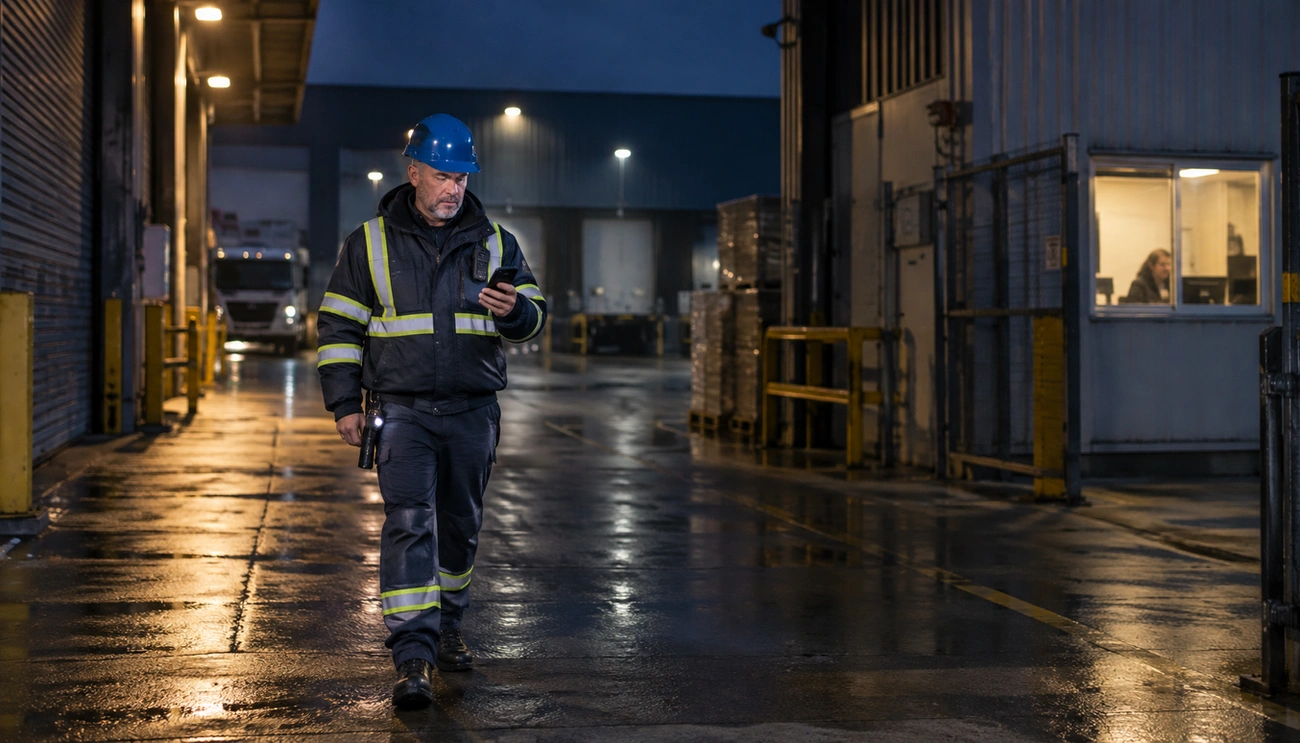
Night shift lone worker safety is a challenge of its own. A lone worker on a night shift operates in conditions that daylight hours rarely produce. Many night shift employees cover sites, routes and remote locations where no colleague is nearby to notice if something goes wrong. They include security guards, healthcare workers, utility workers and field workers.
That is exactly the gap night shift lone worker safety solutions are built to close. Lone worker safety apps, such as the OK Alone lone worker app, give night shift staff a practical and reliable way to request help. Mobile applications that support inactivity monitoring, welfare check-ins and GPS location monitoring do more than add a layer of technology. They give workers and supervisors a shared understanding of what is happening throughout the shift, even at 3 a.m. in an empty warehouse.
Why Lone Workers Face Greater Risks on Night Shifts
Night shifts change the risk equation in ways that go well beyond darkness.
Fatigue Slows Reactions and Judgment
Fatigue sits at the center of the problem. Sleep loss slows reaction times and weakens judgment. This often happens at the point in the shift when a worker most needs both.
Poor Lighting Adds Exposure
Poor lighting adds another layer of exposure. It hides wet floors, uneven surfaces and trip hazards. It also leaves workers in parking lots, loading bays and empty buildings more exposed to crime.
Lone Worker Risk From Isolation
Isolation compounds every one of these hazards. With no colleague nearby, an incident that would stay manageable with backup present can escalate before anyone realizes something has gone wrong. Examples include a fall, a medical event or an aggressive encounter.
The risk is not simply that a worker is alone. It is that fatigue, poor visibility and a delayed response arrive together, with no one close enough to intervene. Remote workers, construction workers and home healthcare workers working in isolation face these compounded risks daily.
Best Lone Worker Safety Solutions for Night-Shift Risks
For a lone worker clocking in after dark, the right technology does not replace good procedure. It makes procedure more reliable. Night shift lone worker safety solutions typically combine three layers of protection: inactivity monitoring, welfare check-ins and GPS location monitoring. Each addresses a distinct part of the risk described above.
The OK Alone lone worker monitoring app brings these layers together in one tool.
Lone Worker Monitoring With Man/Worker Down
Man/Worker Down monitors movement during an active shift using motion sensors and fall detection technology. It triggers alerts if a worker shows no activity for a set period. The period is adjustable from 3 minutes to 1 hour, depending on task risk.
This man-down detection and no motion detection capability means a worker who has fallen or lost consciousness does not need to do anything for support to be initiated. The system detects prolonged inactivity and sends distress alerts.
Welfare Check-Ins and GPS Location Monitoring
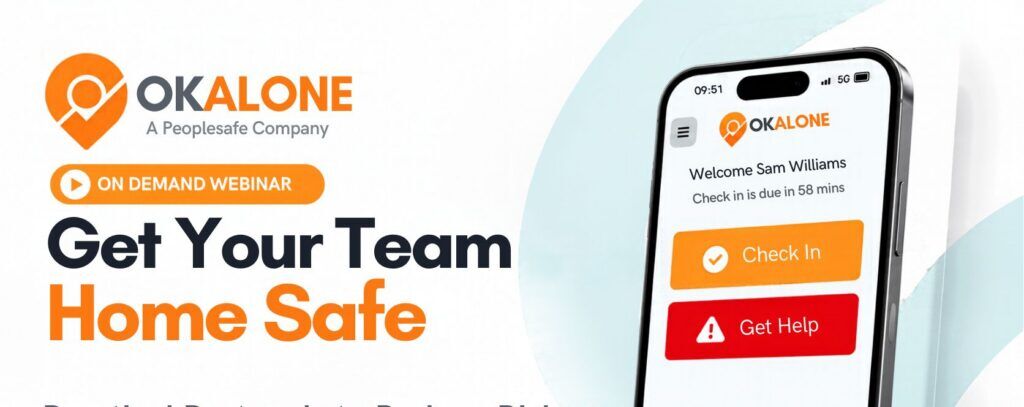
Safety check-ins are scheduled at intervals matching the hazard assessment. A missed check-in triggers a reminder. If there is still no response, emergency alerts go out so a supervisor can act before a minor incident becomes a serious one.
GPS location monitoring provides real-time location monitoring and location visibility so help can be directed to the right place without delay. Geofencing and geo-fencing alerts can notify supervisors when mobile workers enter or exit restricted areas or hazardous environments.
Limited Coverage Mode and the Panic/Help Button
Not every night-shift site has reliable mobile coverage. When data is unavailable, Limited Coverage Mode lets workers check in by phone call or SMS. It is a practical option for parking lots, warehouses, loading bays and remote outdoor locations.
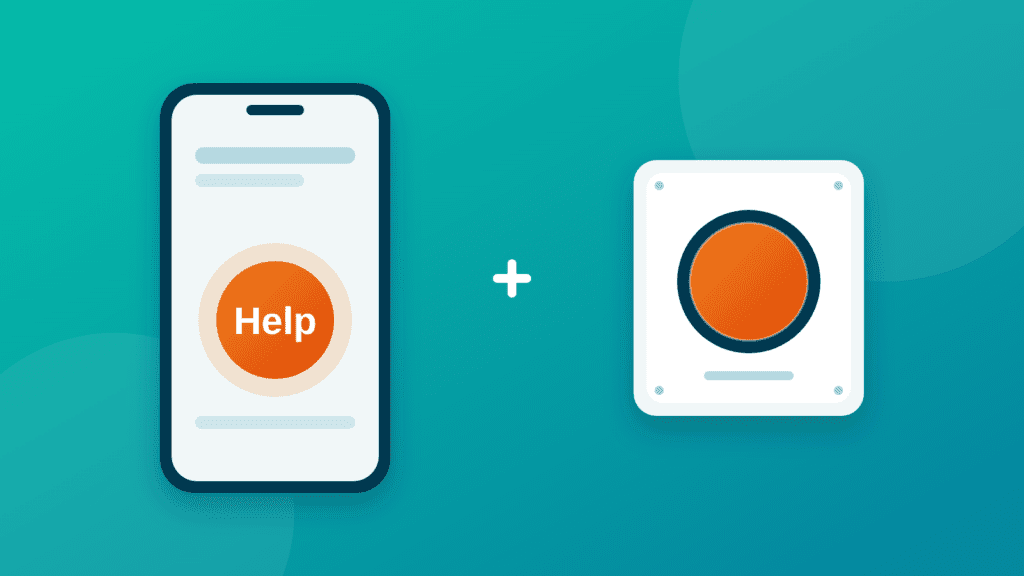
The Panic/Help Button adds a fast way to call for help. One tap requests immediate help, with no menus to navigate or messages to type.
Worker Safety Monitoring Around the Clock
Some organizations cannot monitor their own workers around the clock. They can choose to add the 24/7 Safety Monitoring Center, where trained agents respond to emergency alerts on their behalf. The safety monitoring system maintains incident records and audit trails for regulatory compliance.
How to Build a Reliable Night Shift Lone Worker Safety Plan
Start With a Lone Worker Risk Assessment
A risk assessment and lone worker risk evaluation is the right starting point, not technology. Before selecting an app, employers should document the tasks being carried out, the environments workers move through and the people doing the work.
The assessment should answer a foundational question. Does this role require a second person? Can it proceed alone with controls in place? Or should lone working be prohibited outright? Revisit that decision after any incident and whenever working conditions change.
Protecting Lone Workers With a Written Policy
A written policy turns the assessment into something operational while fulfilling the employer's duty of care. It defines who can work alone, when check-ins are required and who is responsible for responding when one is missed.
Safety protocols and escalation steps belong in the policy too. That way, response times are set in advance rather than left to chance on the night. The policy should address Occupational Safety and Health Administration (OSHA) compliance, data privacy, employee privacy concerns and regulatory compliance requirements.
Monitoring Lone Workers With Check-In Protocols
Check-in protocols need three things to work in practice:
- Frequency that matches the risk level of the task, not a one-size-fits-all interval
- A method that still works when signal is limited or unavailable
- A named person with clear responsibility for follow-up
The OK Alone app supports each of these. Inactivity monitoring, automated welfare check-ins and GPS location monitoring give supervisors a consistent picture of worker status throughout the shift. They work without relying on memory or manual coordination. Limited Coverage Mode means workers on low-signal sites can still check in by phone call or SMS.
Lone Worker Protection Through Training
Training closes the loop. Workers should practice using the app. They should understand when to stop work and wait for support. They should also rehearse realistic scenarios such as falls, aggressive encounters or medical episodes.
For protecting lone workers effectively, test the full chain from incident detection to emergency response on a regular basis. It is the only way to confirm the plan holds up when it matters.
Final Thoughts
The risks a lone worker faces on a night shift are not different in kind from those they face during the day. What changes is the degree. Fatigue deepens, lighting deteriorates and response times lengthen.
That is the problem a night shift lone worker safety plan has to solve, in practice and not just on paper. Inactivity monitoring, welfare check-ins and GPS location monitoring each address part of it. The OK Alone lone worker app brings them together in one tool. Limited Coverage Mode keeps check-ins possible when a phone loses data. Organizations that cannot monitor their own workers around the clock can also choose to add the 24/7 Safety Monitoring Center.
Every lone worker who starts a night shift should have a reliable way to get help. Every supervisor should have a consistent way to confirm that help is not needed. Whether workers are security guards, field workers or healthcare workers, effective lone worker monitoring systems provide the protection and peace of mind that both employees and employers need to meet their duty of care obligations.
Book a Demo Today
Alternatively, get a free trial of the app. Want to try OK Alone? Click the here and enter your details.



Stacey Manclark
As an expert in lone worker content management, I possess an extensive knowledge base and experience in the area of lone working and safety monitoring. My expertise in this field encompasses a wide range of areas, including risk assessment, training, communication, and technology. I have a deep understanding of the unique risks associated with lone workers and have researched and written many projects and articles to educate people in how to mitigate these risks.
Throughout my time with OK Alone, I have kept up to date with technological developments, legislative changes and regulations that have been introduced to help organizations ensure the safety of their lone workers.
Book a Demo Today
Alternatively, get a free trial of the app
Want to try OK Alone? Click the button below and enter your details. It's free and no credit card is required.
