Why Traditional Lone Worker Policies Are No Longer Enough

Not so long ago, managing lone worker safety was relatively straightforward. Most employees worked from a central location, supervisors knew where their teams were throughout the day, and lone working was often limited to a small number of specialist roles. Written lone worker policies, periodic risk assessments and occasional welfare checks were usually considered sufficient to meet an organization's duty of care.
Today's workplace looks very different.
Employees are more mobile than ever. Home care professionals travel between clients, engineers spend their days on the road, utility workers maintain remote infrastructure, and managers routinely work from home or travel between multiple sites. Even office-based staff now divide their time between headquarters, home offices and customer locations. The traditional workplace has become far more distributed. Unfortunately, many lone worker policies have not evolved at the same pace.
While organizations have embraced new ways of working, many are still relying on safety procedures designed for a workforce that no longer exists.
The Workplace Has Changed Faster Than Safety Programmes
The way we work has undergone one of the biggest transformations in decades. Remote and hybrid working became commonplace, field-based services expanded, and organizations increasingly rely on contractors, agency workers and mobile teams to deliver services. For safety professionals, this creates an important challenge.
A worker is no longer considered "alone" simply because they're the only person in a building. Someone may spend the entire day surrounded by members of the public while still having nobody immediately available to help if something goes wrong.
A housing officer visiting tenants, a healthcare professional making home visits, a utilities engineer repairing equipment in a rural location, a probation officer meeting clients, and a retail employee closing a store at night all carry out very different jobs. Yet they share one important characteristic—they may not be able to summon immediate assistance during an emergency.
This shift requires organizations to think differently about risk.
Being Alone Isn't the Risk
One of the biggest misconceptions about lone worker safety is that being alone is the hazard.
It isn't.
The real question is:
What could happen while someone is alone?
For one employee, the greatest risk may be violence or aggression. For another, it may be a medical emergency. Someone working outdoors may be exposed to extreme heat, severe weather or difficult terrain. A maintenance engineer could suffer a fall inside a plant room, while a social worker may lose mobile signal when visiting a remote property.
The level of risk depends entirely on the work being undertaken, the environment and how quickly assistance could arrive. That's why modern safety programs focus less on whether someone works alone and more on the circumstances surrounding that work.
New Risks Are Emerging Every Year
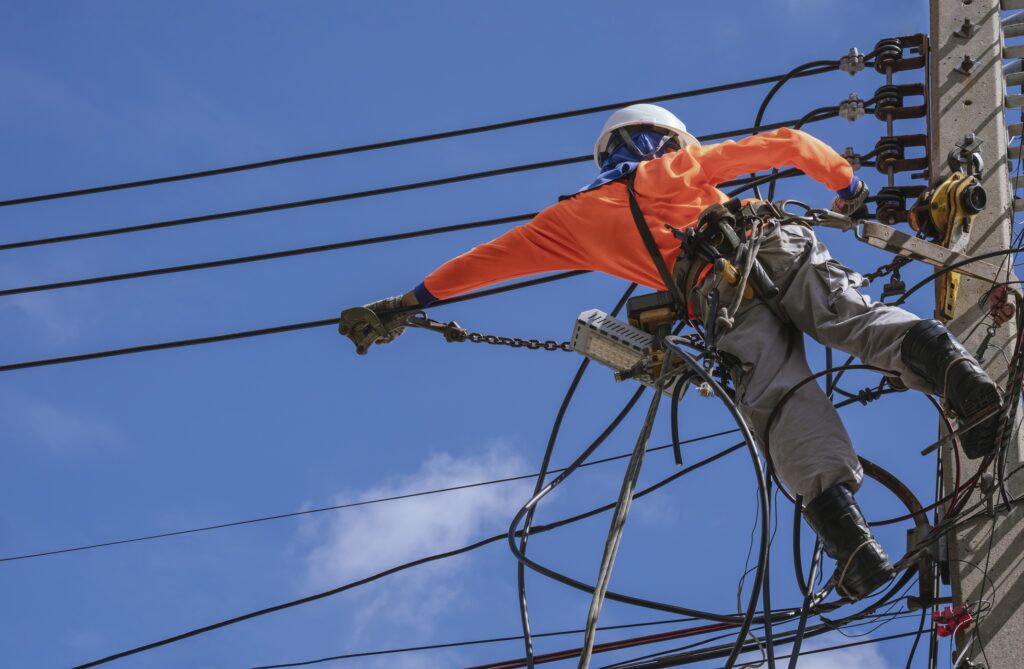
Historically, lone worker policies concentrated on physical accidents. While these remain important, today's organizations face a much broader range of risks. Workplace violence has become one of the fastest-growing concerns across many sectors. Healthcare workers, social workers, retail employees, utility staff and public sector employees increasingly report verbal abuse, threats and physical aggression while carrying out their routine duties.
At the same time, environmental risks are becoming more significant. Extreme temperatures, wildfires, flooding and severe weather can quickly turn routine field work into high-risk situations.
Mental well-being is also receiving greater attention. Working alone for extended periods can increase feelings of isolation, stress and fatigue, particularly where employees regularly deal with difficult situations without immediate support.
These aren't entirely new risks. What's changing is the growing recognition that employers are expected to consider them as part of their overall duty of care.
Annual Risk Assessments Are No Longer Enough
Many organizations conduct comprehensive risk assessments. The problem is that they're often treated as static documents. A risk assessment completed twelve months ago may accurately describe the workplace that existed at the time. It may not reflect today's reality.
Teams change. Sites change. New contracts begin. Staff start working remotely. New legislation is introduced. Technology evolves. Weather patterns become more unpredictable. Risk is constantly changingand the most effective organizations have moved away from viewing risk assessments as annual exercises. Instead, they see them as living documents that evolve alongside their operations.
Regular reviews, worker feedback and lessons learned from incidents help ensure procedures remain relevant rather than simply compliant.
Communication Has Become the Cornerstone of Lone Worker Safety
If there's one theme connecting modern safety guidance across North America and internationally, it's communication. When something goes wrong, organizations need to know quickly. Equally important, workers need confidence that someone will respond.
This doesn't necessarily require sophisticated technology. In lower-risk environments, scheduled check-ins and clearly defined escalation procedures may be entirely appropriate. For higher-risk roles, organizations often need more robust arrangements, particularly where workers travel frequently, work outside normal hours or operate in isolated environments.
Whatever method is used, communication should answer four simple questions:
- Does somebody know where the worker should be?
- Is there an agreed way to confirm they're safe?
- What happens if they don't respond?
- Who takes responsibility for acting?
Many organizations discover that these questions expose weaknesses that aren't always obvious when reading a policy document.

Policies Should Reflect Real Working Practices
One reason traditional lone worker policies become ineffective is that they're often written from an organizational perspective rather than a worker's. On paper, procedures may appear straightforward, but in practice they're sometimes difficult to follow.
Consider a field engineer completing several emergency call-outs in one afternoon, a healthcare worker whose schedule changes throughout the day, or a utilities technician working in areas with unreliable mobile coverage. If safety procedures don't reflect the realities of these roles, people inevitably find workarounds.
The strongest safety programs are developed with workers rather than simply for them. By consulting employees, organizations gain a clearer understanding of how work is actually carried out and whether existing procedures genuinely support safe working. Practical policies are far more likely to be followed consistently because they fit the way people really work.
Privacy and Trust Matter More Than Ever
As organizations introduce new technologies to improve worker safety, another important consideration has emerged: trust.
Employees generally accept that organizations have a legitimate responsibility to protect them during working hours. However, they also expect their privacy to be respected. The strongest lone worker programs recognize this balance and make it clear when location information may be visible, why it is collected, who can access it, and how it supports worker safety rather than monitoring productivity.
Being open about these principles helps build confidence and encourages greater engagement with safety programs. When workers understand how information is being used, they're far more likely to see technology as a safety tool rather than a form of surveillance.
Technology Supports Good Processes—It Doesn't Replace Them
Technology has transformed what's possible in lone worker safety. Mobile applications, automated check-ins, discreet emergency alerts, satellite communications and real-time monitoring all provide valuable additional protection, but they should never be viewed as the safety program itself.
A panic button cannot replace good training, just as a mobile app cannot compensate for unclear escalation procedures or a dashboard make decisions on behalf of managers. Technology is most effective when it supports well-designed operational processes rather than attempting to replace them.
The most successful organizations define their procedures first and then select technology that complements the way they work. When people, procedures and technology operate together, safety programs become significantly more effective.

Questions Every Organization Should Be Asking
As working practices continue to evolve, leaders should regularly review whether their lone worker arrangements still reflect operational reality.
Useful questions include:
- Have new roles or working patterns emerged since our last review?
- Are there workers who regularly operate without immediate support?
- Have we considered violence, environmental conditions and well-being alongside physical hazards?
- Would our escalation procedures still work outside normal office hours?
- Are workers confident they can quickly raise the alarm if they need assistance?
- Do managers understand exactly what they're expected to do when an alert is received?
- Have we tested our procedures recently rather than simply documented them?
Answering these questions often provides a clearer picture of Organizational readiness than reviewing compliance documentation alone.
Looking Beyond Compliance
The organizations leading the way in lone worker safety all share a similar mindset. They don't see safety as a paperwork exercise. Instead, they recognize that protecting lone workers requires continuous improvement because the nature of work itself is constantly changing.
Policies remain important, risk assessments remain essential, and training remains fundamental. However, these elements only provide meaningful protection when they're supported by practical procedures that reflect the realities of modern work.
As legislation continues to evolve across North America and internationally, organizations that already take this broader approach will be well positioned to adapt. More importantly, they'll be creating safer working environments long before new legal requirements make change unavoidable.
Final Thoughts
The traditional lone worker policy isn't becoming obsolete because it was wrong. It's becoming outdated because the world of work has changed.
Employees are more mobile, risks are more diverse, and organizations have greater visibility than ever before into how work is carried out across their workforce. The challenge for leaders isn't simply updating a policy, but building a safety program that evolves alongside their workforce.
Organizations that embrace this mindset won't just find future compliance easier. They'll create a stronger safety culture, better support their people, and demonstrate that duty of care is something they actively practice—not simply something they document.
Frequently Asked Questions
Traditional lone worker policies often rely on static risk assessments, written procedures, and occasional welfare checks. Modern workforces are more mobile, distributed, and exposed to changing risks. Effective safety programs need practical communication procedures, regular risk reviews, clear emergency responses, and safeguards that reflect how employees actually work.
Employers should review lone worker policies regularly and whenever working conditions, responsibilities, or risks change. New work locations, incidents, employee feedback, changes in legislation, and emerging hazards can all trigger a review. The goal is to keep safety procedures relevant to current working practices rather than relying solely on an annual assessment.
A modern lone worker safety policy should identify who works alone, assess role-specific hazards, establish suitable check-in procedures, explain how workers request assistance, and define emergency escalation responsibilities. It should also address training, worker privacy, incident reporting, and regular reviews to ensure the procedures remain effective.
A missed check-in should trigger a predefined response procedure. This may include attempting to contact the worker, notifying designated responders, escalating to alternative contacts if necessary, and involving emergency services when the circumstances require it. Responsibilities and response times should be established before an incident occurs.
No. Lone worker safety technology supports established procedures but cannot replace them. Mobile safety apps, automated check-ins, emergency alerts, and monitoring services can improve communication and response. However, employers still need appropriate risk assessments, worker training, clear responsibilities, and tested emergency procedures.
Employers should explain what information is collected, why it is needed, when location data may be visible, who can access it, and how long it is retained. Monitoring arrangements should be proportionate to workplace risks and comply with applicable privacy requirements. Clear communication helps workers understand that safety measures are designed to protect them rather than monitor their productivity.





Stacey Manclark
As an expert in lone worker content management, I possess an extensive knowledge base and experience in the area of lone working and safety monitoring. My expertise in this field encompasses a wide range of areas, including risk assessment, training, communication, and technology. I have a deep understanding of the unique risks associated with lone workers and have researched and written many projects and articles to educate people in how to mitigate these risks.
Throughout my time with OK Alone, I have kept up to date with technological developments, legislative changes and regulations that have been introduced to help organizations ensure the safety of their lone workers.
Book a Demo Today
Alternatively, get a free trial of the app
Want to try OK Alone? Click the button below and enter your details. It's free and no credit card is required.
