Best Medical Alert Systems for Lone Workers in 2026
Medical alert systems for lone workers are becoming an increasingly common consideration as more organisations manage employees who work independently or across multiple locations. Traditionally associated with healthcare and personal wellbeing, these systems are now being used to help protect workers who may be at risk of injury or medical emergencies while working alone.
The important question, however, is not simply whether a medical alert system is available. It is whether it is the right solution for the risks your workers actually face.
For some organisations, automatic medical alerts provide an essential layer of protection. For others, the greater risk is not sudden incapacitation, but the possibility that something could happen and no one would realise for some time. Understanding that difference is the first step towards choosing the right approach.
What Is a Workplace Medical Alert System?
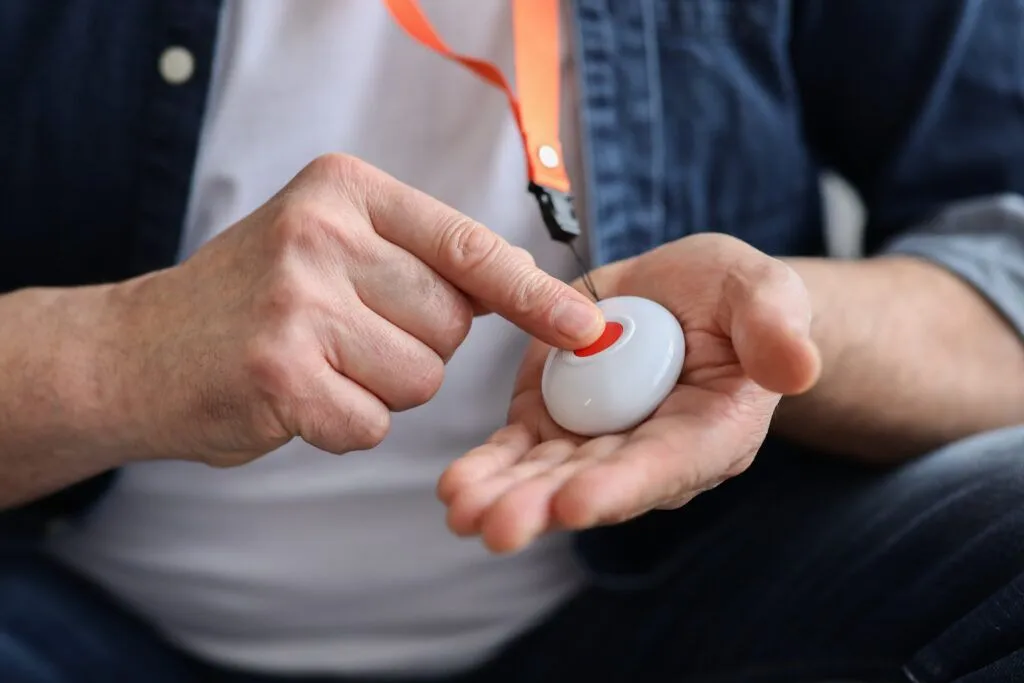
A workplace medical alert system is typically built around a wearable device or smartphone that allows a worker to raise an alarm or automatically trigger an alert if they experience a medical emergency.
Many systems include features such as fall detection, emergency activation, two-way communication and location monitoring, helping organisations identify where assistance is needed as quickly as possible.
Where workers face genuine risks of collapse, injury or incapacitation, these capabilities can provide valuable protection.
However, not every lone worker operates in that type of environment. For many organisations, the biggest challenge is not detecting a medical event, but making sure someone notices if a worker fails to check in.
Understanding the Different Types of Risk
One of the most important parts of any lone worker risk assessment is recognising that not all risks are the same.
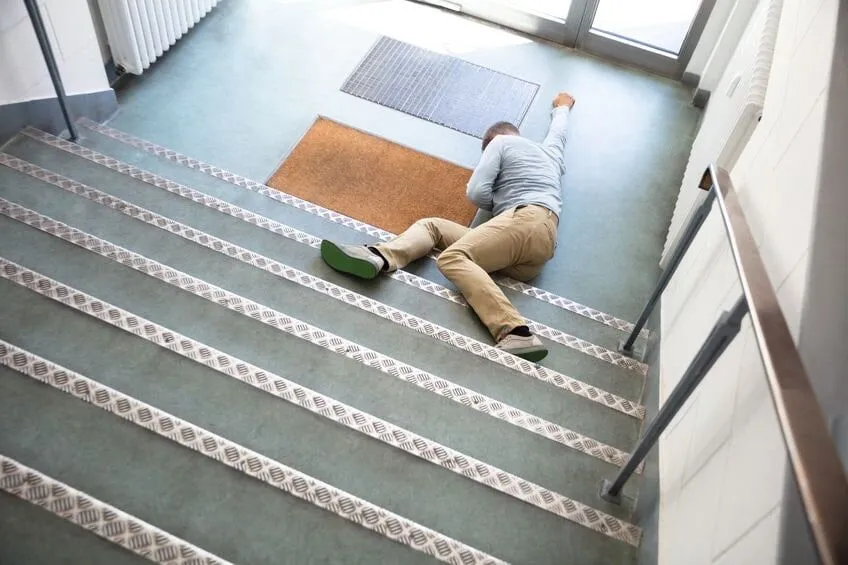
Some roles involve a genuine possibility of medical or physical incapacitation, where a worker may be unable to call for help. In these situations, lone worker medical monitoring can play an important role in reducing response times.
In many other roles, however, isolation is the greater concern. Housing officers, community workers, field engineers and healthcare professionals often work alone for long periods, but the primary risk is that an incident goes unnoticed rather than a sudden medical emergency.
The solution should always reflect the nature of the risk rather than assuming the same technology is appropriate for every worker.
Comparing Lone Worker Protection Approaches
| Approach | Best Suited To | Main Strength | Key Consideration |
|---|---|---|---|
| Dedicated medical alert system | Workers with a credible risk of falls, collapse, injury, or physical incapacitation | Can provide manual emergency activation or automatic detection when a worker may be unable to call for help | Separate devices must be issued, charged, maintained, managed, and replaced |
| Structured safety monitoring | Lone and mobile workers where isolation or delayed awareness is the primary concern | Regular check-ins confirm worker wellbeing, with missed check-ins triggering automatic escalation | Check-in intervals and escalation procedures need to reflect the risks identified in the worker's role |
The Limitations of Medical Alert Hardware
Medical alert devices can provide reassurance, particularly where there is a credible risk of injury or incapacitation. However, they also introduce practical considerations.
Devices need to be issued, maintained, charged and replaced. As organisations grow, managing that equipment becomes an ongoing administrative task.
More importantly, most devices rely on either manual activation or automatic sensor detection. Neither approach is perfect. False alerts can occur, and not every incident triggers a response.
This means that unless an alarm is activated, organisations may have little indication that something has gone wrong.
Structured safety monitoring takes a different approach.
Instead of waiting for an incident to trigger an alert, workers confirm their wellbeing at agreed intervals. If a check-in is missed, escalation begins automatically.
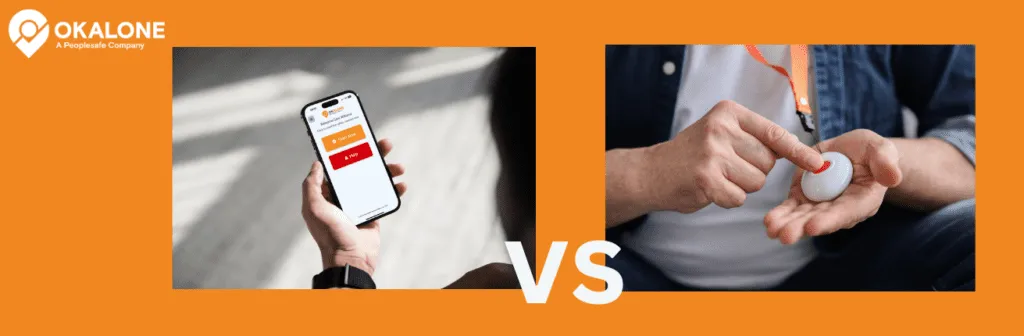
OK Alone applies this model through a lone worker safety app, providing structured oversight without requiring additional hardware for most lone working environments.
When Medical Alert Systems Are the Right Choice
Medical alert systems remain the best option in many workplaces.
Where workers are exposed to higher levels of physical risk, work at height, operate in hazardous environments or have an increased likelihood of medical incapacitation, automatic detection can provide an important additional safeguard.
In these situations, the ability to trigger an alert without relying on manual input can make a significant difference.
The key is ensuring that the technology reflects the actual risks workers face rather than adopting a one-size-fits-all approach.
When Structured Monitoring May Be More Appropriate
Many organisations face a different challenge altogether.
Workers may spend long periods travelling between locations, visiting customers or working independently, but without significant physical hazards. In these situations, the greatest concern is often delayed awareness.
Will someone know if a worker does not arrive at their next appointment? Will anyone notice if they fail to return or check in?
This is where structured safety monitoring becomes particularly valuable.
By building regular safety confirmations into the working day and automatically escalating missed check-ins, organisations gain confidence that workers remain accounted for without relying solely on emergency activation.
OK Alone is designed around this principle, providing a practical approach that is easy to deploy, straightforward to manage and capable of supporting organisations as they grow.
Supporting Compliance Without Adding Complexity
Health and safety legislation does not prescribe a particular device or technology for lone workers.
Instead, employers are expected to implement reasonably practicable measures based on the risks identified during their assessment.
Where medical risk is significant, dedicated medical alert systems may be entirely appropriate.
Where isolation is the primary concern, a scalable lone worker solution built around structured monitoring often provides a more proportionate response while remaining easier to deploy across multiple teams and locations.
Conclusion
Choosing the right medical alert system is not about selecting the solution with the longest feature list. It is about selecting the approach that best reflects the risks your workers actually face.
For higher-risk environments, dedicated medical alert devices can provide an essential layer of protection.
For many organisations managing lone workers, however, structured monitoring provides a simpler, more scalable way to ensure that workers remain safe, accounted for and supported throughout the working day.
OK Alone combines structured check-ins, automated escalation and location awareness in a single smartphone-based platform, helping organisations protect lone workers without adding unnecessary complexity.
Key Takeaways
- There is no single medical alert solution that is right for every lone worker.
- The right approach should reflect the risks identified in the lone worker risk assessment.
- Automatic detection can provide important additional protection where workers may fall, collapse, or become unable to call for help.
- Structured safety monitoring is particularly useful where the primary risk is that an incident could go unnoticed.
- Dedicated hardware can provide valuable protection but also requires ongoing charging, maintenance, replacement, and administration.
- Smartphone-based structured monitoring can provide a simpler, scalable option for distributed teams where additional hardware is not required.
- Employers should choose safety technology based on the nature of the risk rather than the number of features available.
Frequently Asked Questions
No. Protection must align with documented risk assessment findings.
No specific hardware is mandated. Controls must be proportionate to risk.
In roles where isolation is the primary exposure and incapacitation risk is low, structured monitoring may provide sufficient protection.
OK Alone focuses on structured monitoring rather than hardware-based fall detection.
Yes, when aligned with documented risk assessment processes.
In environments with credible fall or collapse risk.
Reliability depends on alignment with risk and escalation design.
No. It operates entirely via smartphones.
Yes. Digital onboarding allows immediate deployment across distributed teams.
Begin with the Lone Worker Risk Assessment Guide and assess exposure before selecting technology.



Stacey Manclark
As an expert in lone worker content management, I possess an extensive knowledge base and experience in the area of lone working and safety monitoring. My expertise in this field encompasses a wide range of areas, including risk assessment, training, communication, and technology. I have a deep understanding of the unique risks associated with lone workers and have researched and written many projects and articles to educate people in how to mitigate these risks.
Throughout my time with OK Alone, I have kept up to date with technological developments, legislative changes and regulations that have been introduced to help organizations ensure the safety of their lone workers.
Book a Demo Today
Alternatively, get a free trial of the app
Want to try OK Alone? Click the button below and enter your details. It's free and no credit card is required.
