10 Expert Tips for Ensuring Field Technician Safety in 2026
Field technician safety in 2026 reflects a new reality: most work occurs away from direct oversight. Technicians often travel to different sites, face unfamiliar settings, and work independently for extended periods.
Operational software can manage schedules and tasks, but it cannot respond if incidents occur. As mobile operations expand, lone field worker protection is becoming a critical part of workforce safety planning.
Ensuring safety requires a structured approach that identifies risks, establishes the correct controls, and guarantees a reliable way to detect and respond to issues. Begin any new safety implementation with a structured evaluation using a Lone Worker Risk Assessment Guide.
Below are ten practical strategies that reflect modern best practices:
Conduct Role-Specific Risk Assessments
Not every field technician faces the same hazards. An electrical engineer encounters different risks than an IT technician or housing officer. Organizations must understand the environments in which teams operate. This includes physical hazards, exposure to weather, isolation, public interaction, and travel patterns. Effective field worker risk management begins with matching safety measures to actual risks instead of using a single approach for all roles.
Identify Isolation as a Key Risk
Isolation is often the most critical hazard. Even in safe environments, delayed awareness of an incident can turn minor issues into emergencies. Structured technician safety monitoring ensures that a lack of response is quickly recognized. Tools like OK Alone support timely detection of potential risks.
Integrate Safety Into Daily Work
End-of-shift reports are no longer sufficient. Modern strategies embed safety checks into routine tasks. Technicians confirm their status at intervals throughout the day. Missed check-ins automatically trigger escalation, providing continuous oversight without constant supervision.
Define Escalation Protocols
Monitoring without clear response procedures is ineffective. Escalation pathways should outline:
- First points of contact
- Conditions for engaging emergency services
- Documentation requirements
- Response time thresholds
Structured systems like OK Alone allow configurable escalation workflows that match organizational policies.

Complement Technology With Training
Safety tools work best when users understand how to use them. Technicians need to know how to identify risks, manage confrontations, and respond to unexpected events. Training ensures systems support safe behavior rather than replace it.
Select Appropriate Protection
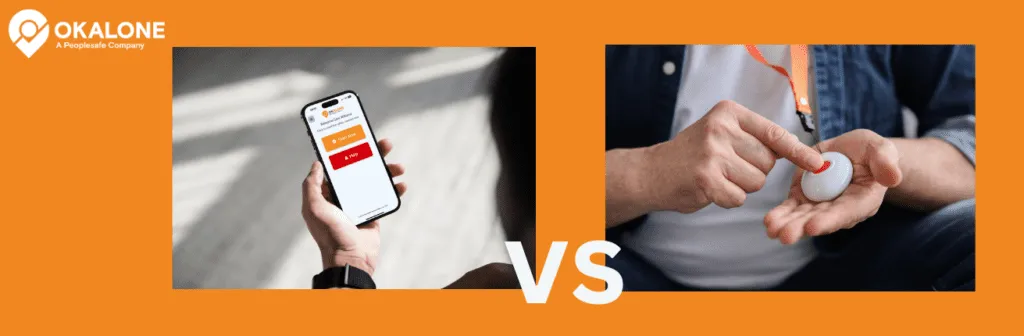
Some roles may need dedicated devices with automatic alerts, especially where injury risk is high. For distributed teams, structured monitoring often offers adequate protection without unnecessary hardware. Avoid assuming that one solution fits all scenarios.
Maintain Documentation for Compliance
Safety is also about accountability. Monitoring systems record check-ins, escalations, and response times, providing an auditable trail. This documentation helps organizations demonstrate compliance and adjust strategies as conditions change.
Balance Oversight With Trust
Excessive monitoring can harm morale. Systems should support safety rather than track behavior unnecessarily. Focusing on confirming safety rather than constant observation helps maintain employee trust.
Review Controls Regularly
Risk profiles evolve with new sites, services, or workforce structures. Annual reviews ensure safety measures remain proportionate and effective. Start reviews using the Lone Worker Risk Assessment Guide.
Choose Flexible, Scalable Systems
Field operations frequently expand and contract. App-based platforms such as OK Alone allow fast onboarding and centralized oversight without managing physical devices, making them ideal for distributed teams.

Conclusion
Protecting field technicians in 2026 requires layered, practical controls. Structured monitoring, clear escalation, documented oversight, and training create a defensible safety framework. OK Alone provides an app-based solution that integrates easily into field operations. Organizations reviewing safety strategies should consider visiting the How OK Alone Works page for more information.
Frequently Asked Questions
Isolation, delayed awareness, environmental hazards, and public interaction risks.
Yes, when they work without direct supervision.
It helps manage tasks but does not provide structured safety monitoring.
Scheduled check-ins and automated escalation ensure rapid response if confirmation is missed.
Only when risk assessment justifies it.
Yes, when aligned with assessed risks.
Yes. Digital onboarding allows rapid expansion.
It may suffice in isolation-heavy roles.
When implemented proportionately and transparently, it supports safety without over-surveillance.




Stacey Manclark
As an expert in lone worker content management, I possess an extensive knowledge base and experience in the area of lone working and safety monitoring. My expertise in this field encompasses a wide range of areas, including risk assessment, training, communication, and technology. I have a deep understanding of the unique risks associated with lone workers and have researched and written many projects and articles to educate people in how to mitigate these risks.
Throughout my time with OK Alone, I have kept up to date with technological developments, legislative changes and regulations that have been introduced to help organizations ensure the safety of their lone workers.
Book a Demo Today
Alternatively, get a free trial of the app
Want to try OK Alone? Click the button below and enter your details. It's free and no credit card is required.
