Why Lone Worker Technology Fails Without Employee Adoption
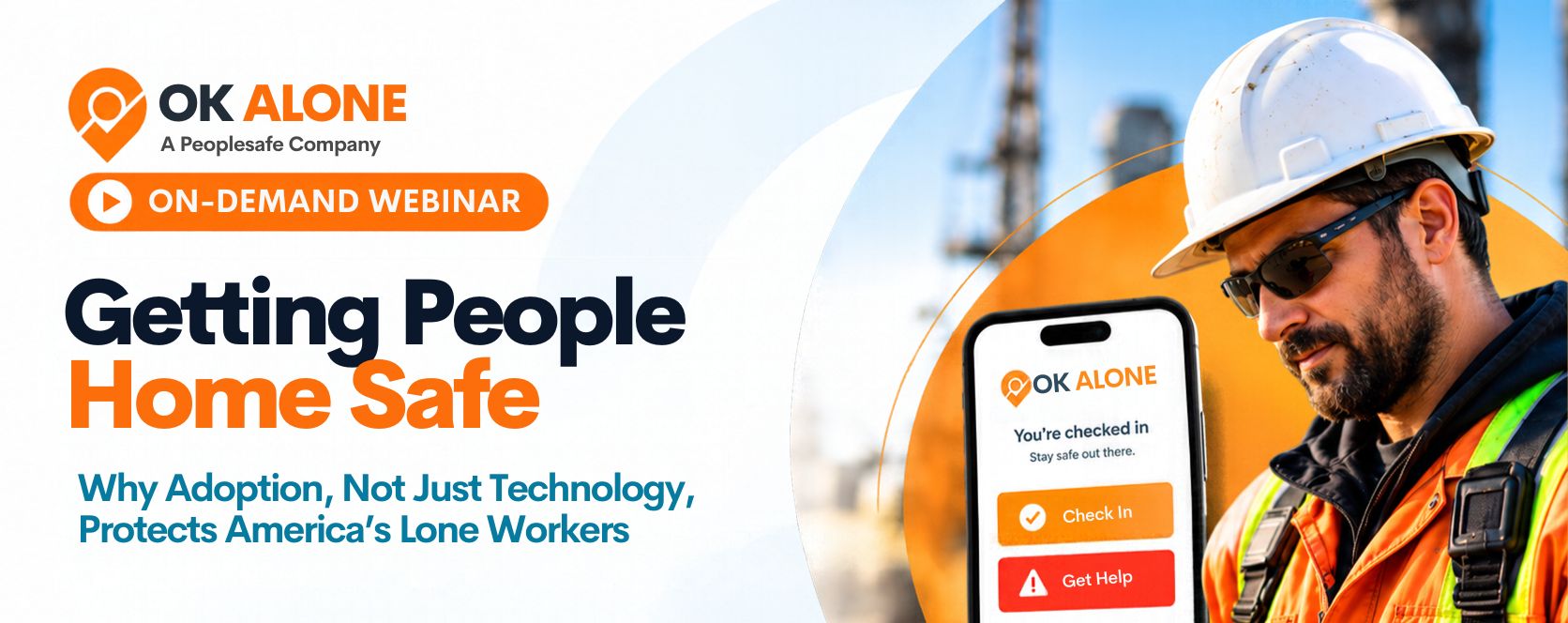
A lone worker system can have excellent features and still fail to protect people.
The reason is simple. If workers do not use it consistently, the safety process breaks down.
That makes employee adoption one of the most important parts of any lone worker program.
Safety technology only works when people use it
Organizations often focus on selecting the right technology. Features such as check-ins, emergency alerts, location information and fall detection all matter.
But the real test comes after rollout.
Does the worker remember to check in? Do they understand when location information is active? Would they feel confident raising an alert during a real emergency?
If the answer is no, the feature list is not the problem. The rollout is.
Start with leadership and a clear reason
Employees are more likely to use a safety system when leadership explains why it is being introduced.
The message should be about protection, not monitoring.
Workers need to understand what the system does, when it collects information and how that information will be used if something goes wrong.
Starting with a smaller pilot group can also help. It gives the organization time to identify practical problems, refine the process and build internal champions before a wider rollout.
Make safety part of the normal working day
A successful lone worker process should fit around the work rather than create another layer of administration.
Check-ins should be easy. Alerts should be relevant. Higher-risk activities should receive more protection without forcing every employee into the same monitoring pattern.
Tools such as Team Broadcast can help organizations send urgent information directly to the people who need it. Alert Zones can also warn workers about risks affecting a particular area.
The goal is not to send more notifications. It is to make each communication relevant enough that workers continue to pay attention.
Trust matters when location is involved
Location monitoring can quickly become a barrier if workers believe they are being watched throughout the day.
Clear boundaries help.
Organizations should explain when location information is active, who can see it and why it is needed.
The best lone worker program is not the one with the longest feature list. It is the one people actually use when they need it.
The on-demand webinar Getting People Home Safe: Why Adoption, Not Just Technology, Protects America’s Lone Workers explores how organizations can make that happen.


Stacey Manclark
As an expert in lone worker content management, I possess an extensive knowledge base and experience in the area of lone working and safety monitoring. My expertise in this field encompasses a wide range of areas, including risk assessment, training, communication, and technology. I have a deep understanding of the unique risks associated with lone workers and have researched and written many projects and articles to educate people in how to mitigate these risks.
Throughout my time with OK Alone, I have kept up to date with technological developments, legislative changes and regulations that have been introduced to help organizations ensure the safety of their lone workers.
Book a Demo Today
Alternatively, get a free trial of the app
Want to try OK Alone? Click the button below and enter your details. It's free and no credit card is required.
