Identify the Hazards
Review where people work alone, which risks they may face, and how quickly they could need assistance.
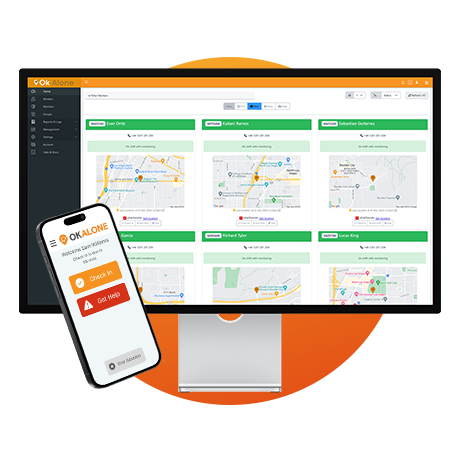
Technology supports your safety program. Compliance depends on applicable legal duties and your workplace procedures.












Federal Requirements
There is no single federal OSHA standard covering every situation where an employee works alone. Employers must follow the safety standards that apply to their work and address recognized serious hazards where OSHA’s General Duty Clause applies.
Requirements can also depend on the state and industry. California, for example, has workplace violence prevention requirements for covered general industry employers. Washington has specific isolated-worker protections for certain industries.
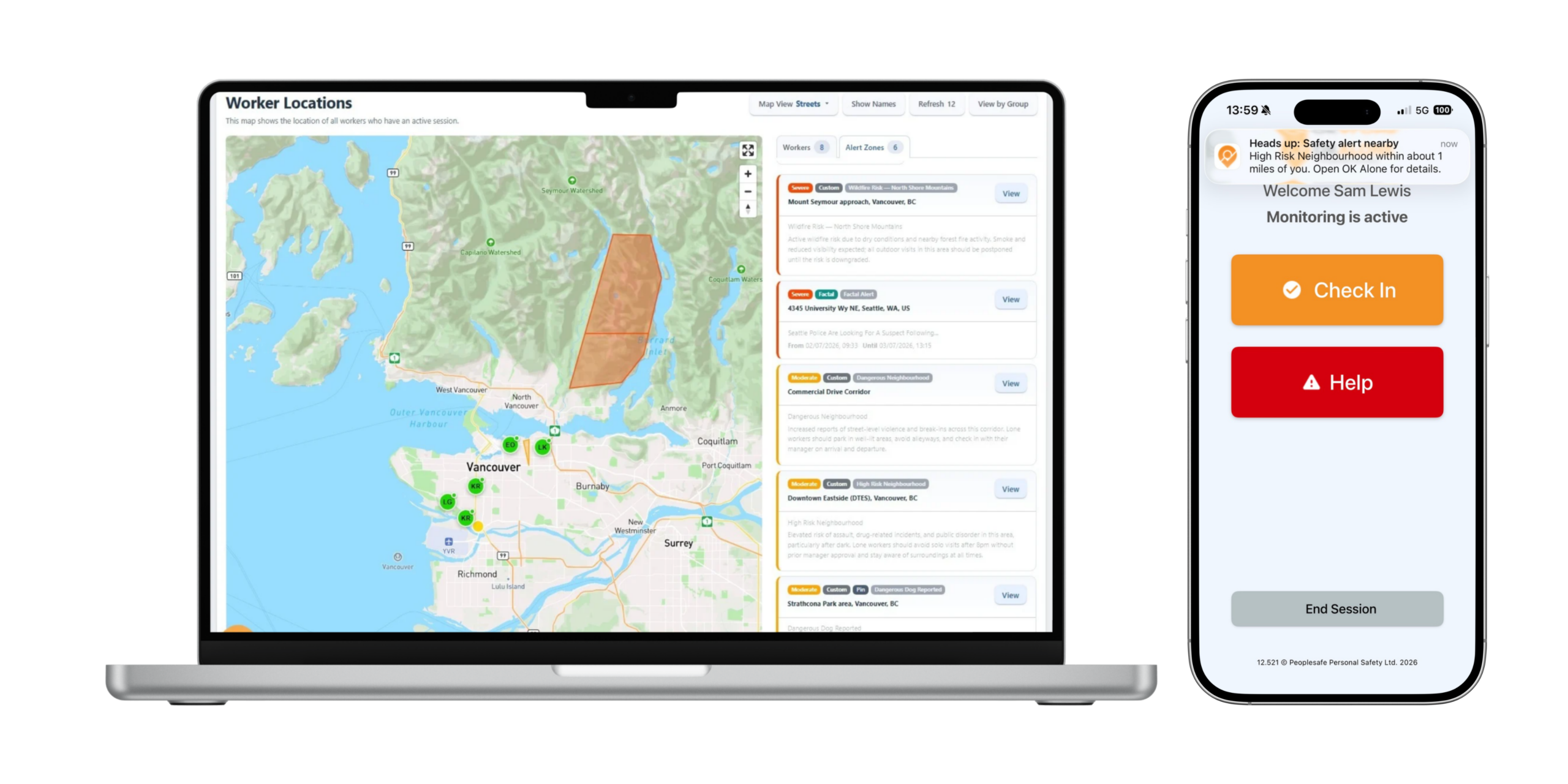
OK Alone can support check-ins, Help Alerts, and incident records as part of a broader safety program. Using an app does not, on its own, establish compliance.
Before You Choose
Technology should support the risks, requirements, and response arrangements you’ve already identified.
Review where people work alone, which risks they may face, and how quickly they could need assistance.
Consider the federal, state, and industry requirements relevant to each role and work location.
Agree on check-ins, who receives alerts, and the steps to take when someone needs help.
State and Industry Examples
Specific duties depend on your employees’ roles and locations. These examples show why the details matter.
From Policy to Practice
A clear procedure is easier for workers to follow and for managers to review.
Identify working-alone roles and situations where assistance may be delayed.
Agree on regular contact, missed check-ins, and out-of-hours arrangements.
Give alerts a clear owner and establish the appropriate escalation procedure.
Use incidents and activity history to identify gaps and improve your process.
A safety app can support these procedures, but it does not replace a workplace risk assessment or establish legal compliance on its own.


No. There is no single general federal OSHA rule covering every working-alone situation. Relevant responsibilities arise from applicable OSHA requirements, recognized hazards, state laws, and sector-specific standards.
No general OSHA rule requires all employers to purchase a lone worker app. Technology may support appropriate communication, monitoring, and emergency response procedures, depending on workplace risks.
An app alone cannot establish compliance. OK Alone can support check-ins, alerts, and recordkeeping within a broader safety program, but employers need to assess their own legal requirements and procedures.
