Washington State’s Isolated Worker Safety Law 2025: What HB 1524 Means for Employers

Washington State has enacted a significant worker safety law aimed at protecting employees who work alone or in isolated conditions. House Bill 1524 (2025), formally titled “Isolated Employees — Workplace Standards,” introduces new, enforceable obligations for employers whose workers may face heightened risk due to isolation on the job.
The law was passed by the Washington State Legislature in March–April 2025, signed into law on April 16, 2025, and takes effect on January 1, 2026. This is not a proposal or draft legislation — it is adopted law, and employers must prepare for compliance.
HB 1524 builds on Washington’s existing isolated worker protections under RCW 49.60.515, expanding them beyond hotels, strengthening training and response requirements, and making enforcement expectations clearer across a wider range of industries.
HB 1524 also reflects a broader national shift toward stronger protections for lone and isolated workers, building on earlier hospitality-focused laws in states such as New York, Illinois, and New Jersey, while expanding the model into additional industries.
What Is HB 1524?
HB 1524 strengthens and enforces workplace standards for isolated employees, amending existing Washington labor law (including RCW 49.60.515 passed in 2020) to introduce clearer requirements around safety, harassment prevention, training, and emergency response.
While panic-button requirements have appeared in other states before, Washington’s approach is broader and more structured. Rather than focusing solely on one role or setting, HB 1524 establishes a framework that combines:
- Emergency communication tools
- Mandatory training
- Supervisor response expectations
- Policy and documentation requirements
Who Is Covered Under HB 1524?
Covered Employers
HB 1524 applies to employers in the following sectors:
- Hotels and motels
- Retail businesses
- Security guard entities
- Property services contractors (such as janitorial and building services)
This immediately sets Washington apart from many earlier laws, which focused almost exclusively on hospitality.
Covered Workers: “Isolated Employees”
An isolated employee is defined as a worker who:
- Spends 50% or more of their working hours alone, or
- Works in a location or situation where immediate assistance from another employee or supervisor is not available without summoning help
This definition is role- and context-based, not title-based. A worker may be covered on one shift or site and not on another, depending on staffing, layout, and working conditions.

The Panic Button Requirement
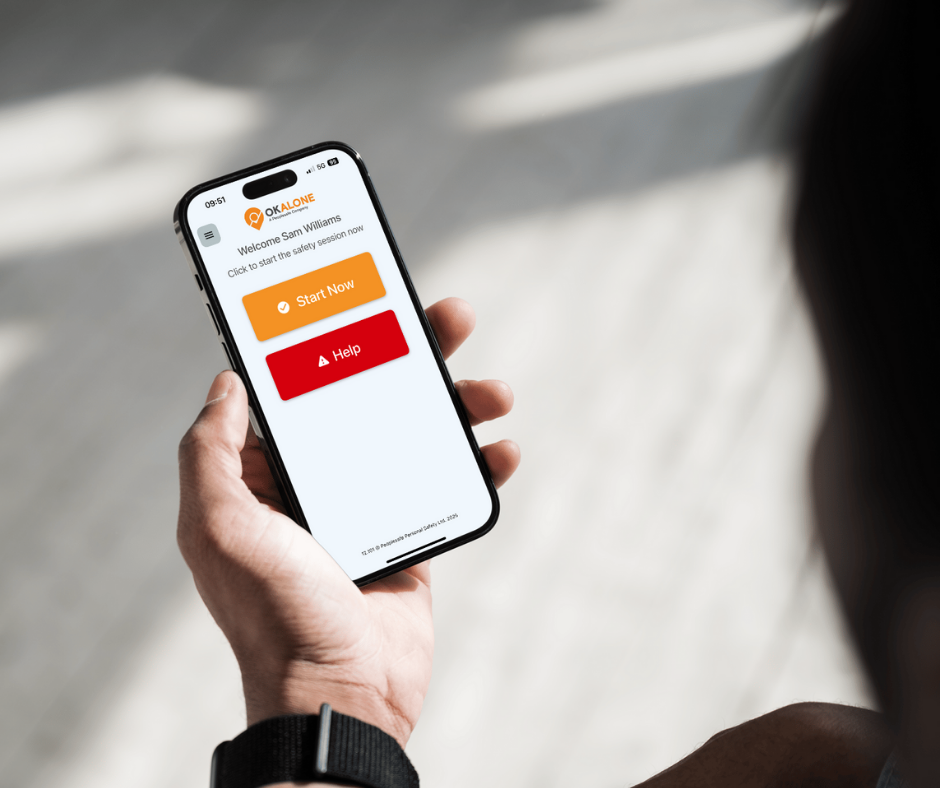
One of the most visible elements of HB 1524 is the requirement for employers to provide a panic button or emergency contact device to isolated employees. While panic-button legislation is not new — particularly in the hospitality sector — Washington’s approach reinforces that emergency communication is no longer optional where workers are required to operate alone.
Similar panic-button and working-conditions requirements already exist in jurisdictions such as Oakland and Massachusetts, where lawmakers have focused on ensuring that workers in high-risk, isolated roles have a reliable means of summoning help. Washington’s approach builds on these foundations while extending protections into a broader set of industries.
Under the law, covered employers must ensure that isolated employees have a reliable means of summoning help when they feel unsafe or face an emergency. Importantly, the requirement is framed around availability and access, not simply ownership. A device that exists on paper but is unavailable, uncharged, or unusable in the working environment is unlikely to meet the intent of the legislation.
This mirrors the direction taken by earlier hospitality laws in states such as Hotel worker panic-button laws in Illinois and New Jersey, Panic-button requirements embedded in New York City’s hotel regulations and Retail-focused emergency alert requirements emerging in New York State.
However, Washington extends the expectation beyond hotels to include retail, security, and property services — signalling that the risks associated with working alone are not confined to guest rooms.
At the same time, HB 1524 makes clear that the panic button is not a standalone solution. It is one part of a broader safety framework, not a box to be checked in isolation.
Training and Policy Obligations
Where Washington’s legislation meaningfully goes further than many earlier panic-button laws is in its emphasis on training, awareness, and accountability.
HB 1524 requires annual training for both isolated employees and the managers or supervisors responsible for overseeing them. This training must cover the prevention of sexual assault, sexual harassment, and workplace discrimination, as well as practical instruction on how panic buttons or emergency contact devices are used in real-world situations.
Just as importantly, supervisors must be trained on what happens after an alert is raised. The law recognises that technology alone does not protect workers — people and processes do. Ensuring that managers understand their responsibilities when an isolated employee calls for help is central to the law’s purpose.
This emphasis on training and policy mirrors earlier hospitality-focused legislation, such as Miami Beach’s ordinance protecting hotel and hostel employees from assault and sexual harassment, where education and clear response procedures are treated as essential components of worker safety.
In addition to training, employers must adopt and maintain a sexual harassment policy and provide isolated employees with information about relevant reporting and support resources. These requirements reinforce that worker safety is not limited to physical risk alone, but includes dignity, respect, and protection from retaliation.

Response Expectations: Turning Devices into Protection
One of the most easily overlooked aspects of HB 1524 is its implicit focus on response.
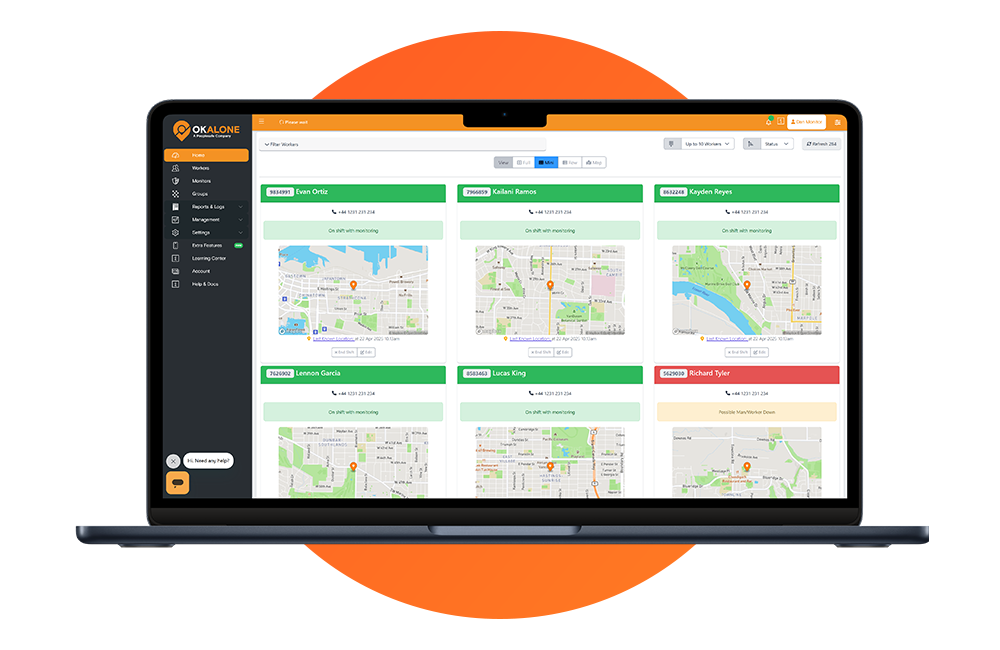
A panic button that triggers no meaningful action does little to improve safety. While the law does not prescribe exact response times or technical configurations, it clearly anticipates that employers will have defined response processes in place. When an alert is activated, someone must be prepared to receive it, acknowledge it, and act.
This is an area where regulators are increasingly likely to look beyond formal compliance and into operational reality. Employers should be able to explain — and demonstrate — how alerts are handled, how escalation works if an initial responder is unavailable, and how incidents are reviewed afterward.
Washington’s approach reflects lessons learned from earlier hospitality laws, where enforcement has increasingly focused on whether safety systems actually function in practice, not just whether they exist.
Documentation, Recordkeeping, and Enforcement
HB 1524 is designed to be enforceable, and documentation plays a central role in that enforcement.
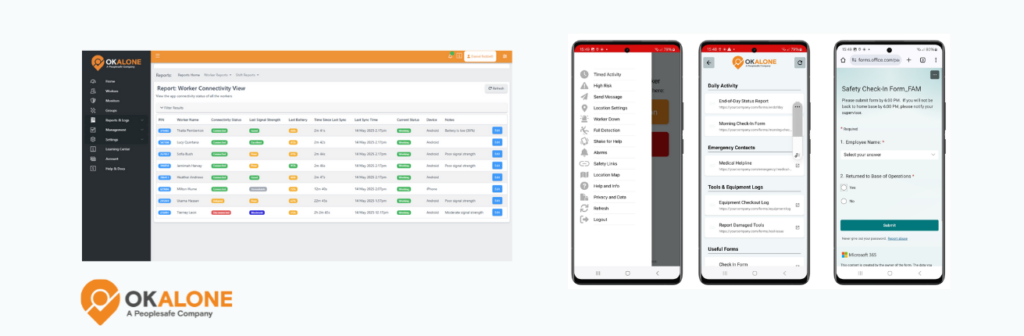
Employers should expect to maintain records showing which employees are classified as isolated, how emergency devices are issued and maintained, and when required training has been completed. Policies and resource materials must not only exist but be demonstrably communicated to the workers they are intended to protect.
For property services contractors and other employers operating across multiple sites, this presents particular challenges. Workers may move between locations, operate under different site conditions, or report through layered management structures. Without clear, consistent recordkeeping, demonstrating compliance becomes difficult very quickly.
Further guidance from Washington’s Department of Labor & Industries is expected ahead of the law’s effective date, but the direction is already clear: employers will be expected to show their work.
How HB 1524 Fits into a Broader Pattern
HB 1524 does not represent a sudden or isolated change in Washington’s regulatory posture. It follows a broader trajectory that includes the state’s Outdoor Heat Exposure Rules introduced in 2023, which similarly moved worker protection from guidance into enforceable standards.
Together, these laws position Washington as a leader in worker wellbeing regulation, particularly for roles that carry elevated risk due to environment or isolation. The message is consistent: when workers face foreseeable risks, employers are expected to plan for them, train for them, and document how they are addressed.
This aligns with a national trend that began in hospitality but is now expanding into retail, security, and contracted services. Washington’s legislation signals that isolated worker safety is becoming a core compliance issue, not a niche concern.
Preparing for 2026
Although HB 1524 does not take effect until January 1, 2026, you should already be prepared. Identifying which roles qualify as isolated, reviewing existing safety processes, and ensuring training and response plans are fit for purpose should already be done — particularly for organisations with distributed or high-turnover workforces.
For employers that approach HB 1524 thoughtfully, the law offers an opportunity not just to comply, but to strengthen trust, reduce risk, and create safer working conditions for people who often operate out of sight and on their own.
Link to official documents:
https://lawfilesext.leg.wa.gov/biennium/2025-26/Pdf/Bills/Session%20Laws/House/1524-S2.SL.pdf


Stacey Manclark
As an expert in lone worker content management, I possess an extensive knowledge base and experience in the area of lone working and safety monitoring. My expertise in this field encompasses a wide range of areas, including risk assessment, training, communication, and technology. I have a deep understanding of the unique risks associated with lone workers and have researched and written many projects and articles to educate people in how to mitigate these risks.
Throughout my time with OK Alone, I have kept up to date with technological developments, legislative changes and regulations that have been introduced to help organizations ensure the safety of their lone workers.
Book a Demo Today
Alternatively, get a free trial of the app
Want to try OK Alone? Click the button below and enter your details. It's free and no credit card is required.
